

Transforming a windowless room or a dark office cubicle into a vibrant green workspace can completely change your daily environment. Many people assume that growing Low-Light Indoor Plants requires a sunlit greenhouse, but numerous hardy species actually thrive in minimal illumination. Selecting the right flora makes successful indoor gardening accessible to everyone.
Key Takeaways
- Shade Tolerance: Low-light indoor plants naturally adapt to dim corners and windowless rooms.
- Reduced Watering: Dimmer environments slow down evaporation, meaning plants need less frequent watering.
- Air Quality Boost: These resilient varieties effectively filter indoor pollutants in closed office spaces.
- Minimal Upkeep: Low-light species require very little attention to stay healthy and vibrant.
Why Grow Flora in Dim Spaces and Offices?
Offices and modern apartments often lack direct sunlight, which can quickly wither delicate sun-loving plants. Choosing species adapted to understory conditions ensures your greenery remains robust without artificial grow lights. [Internal Link: Insert relevant internal URL here with anchor text about office plant care]
Top Low-Light Indoor Plants for Dark Spaces
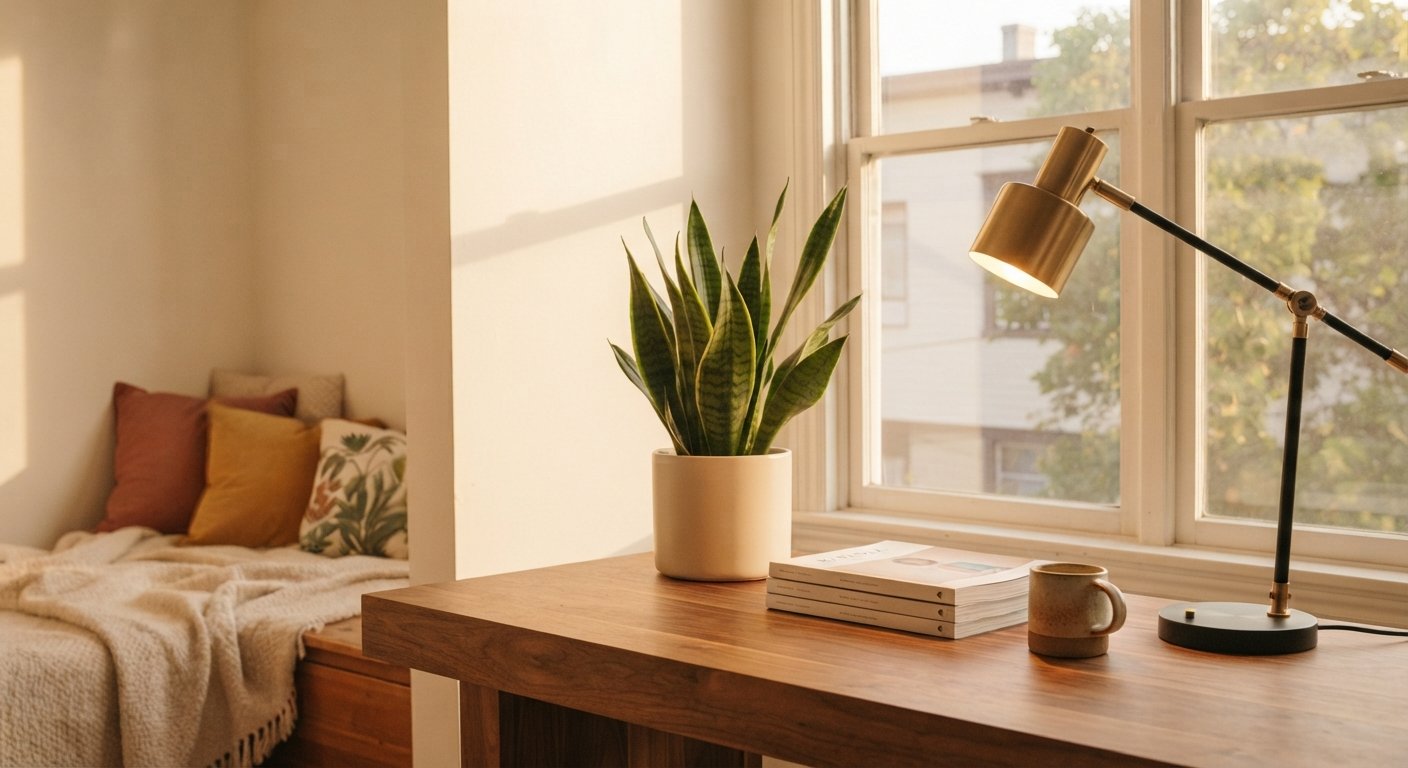
1. Snake Plant (Sansevieria trifasciata)
The snake plant is a champion of survival in dim environments. Its stiff, upright leaves store water efficiently and handle fluorescent office lighting with ease.
- Lighting: Tolerates deep shade and artificial lights effortlessly.
- Watering: Let the soil dry completely between watering sessions.
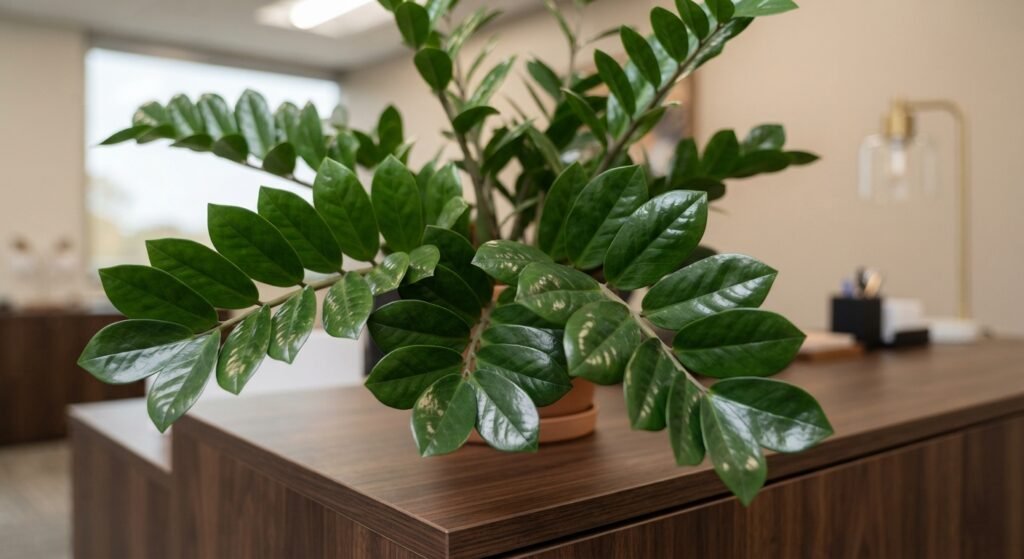
2. ZZ Plant (Zamioculcas zamiifolia)
Famous for its glossy, waxy leaves, the ZZ plant stores moisture in underground rhizomes, making it virtually indestructible in low-light office settings.
3. Cast Iron Plant (Aspidistra elatior)
True to its name, this resilient plant survives neglect, fluctuating indoor temperatures, and very low illumination without losing its rich green color. [External Link: Insert high-authority external URL here with anchor text about shade-tolerant botany from Royal Horticultural Society]
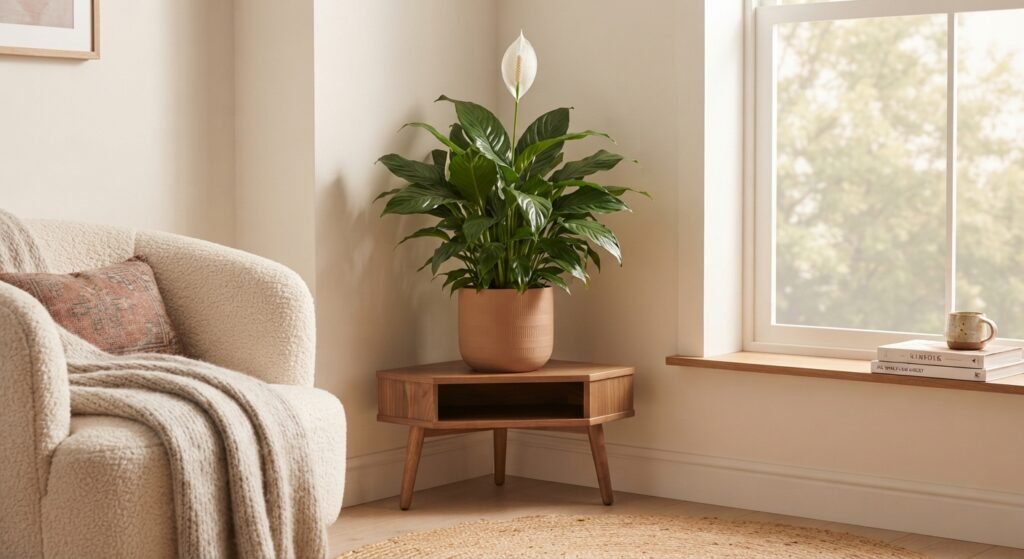
4. Peace Lily (Spathiphyllum)
Peace lilies adapt well to low light and even signal when they need a drink by slightly drooping their glossy leaves before bouncing back quickly.
Essential Care Tips for Office and Dim-Space Flora
Maintaining plants in low-light environments requires adjusting your routine compared to sun-loving varieties:
- Prevent Overwatering: Because dim rooms have lower evaporation rates, soil stays wet longer. Always check moisture levels deeper in the pot before watering.
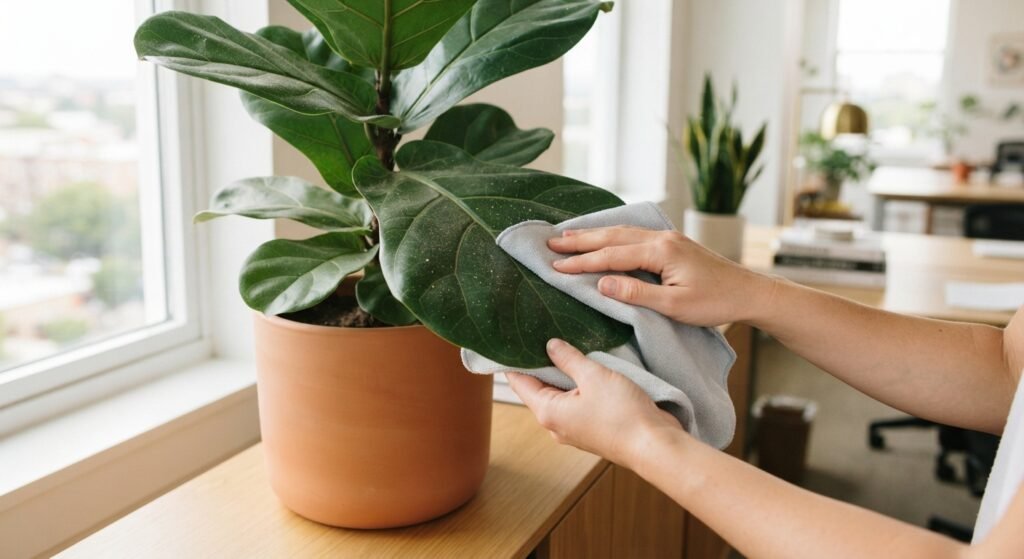
- Clean the Leaves: Dust accumulation on leaves blocks available light. Wipe foliage gently with a damp microfiber cloth monthly.
- Rotate Occasionally: Turn your pots every few weeks to ensure even growth toward distant ambient light sources.
Conclusion
Bringing nature into a dark office or windowless room is entirely achievable when you choose the right flora. By incorporating resilient low-light indoor plants like snake plants, ZZ plants, and cast iron plants, you can effortlessly create a fresh, productive atmosphere with minimal effort.
Frequently Asked Questions
Can low-light indoor plants survive with only fluorescent office lighting?
Yes, many resilient varieties like snake plants and ZZ plants can survive and grow using standard indoor fluorescent or LED office lighting alone.
How often should I water plants kept in a dim office?
Because low light reduces evaporation, these plants typically only require watering every 3 to 4 weeks, or whenever the soil is completely dry.
Why are the leaves on my low-light plant turning yellow?
Yellow leaves are most commonly caused by overwatering or poor container drainage, which prevents oxygen from reaching the root system.
1 thought on “Low-Light Indoor Plants: Best Choices for Dim Offices”