
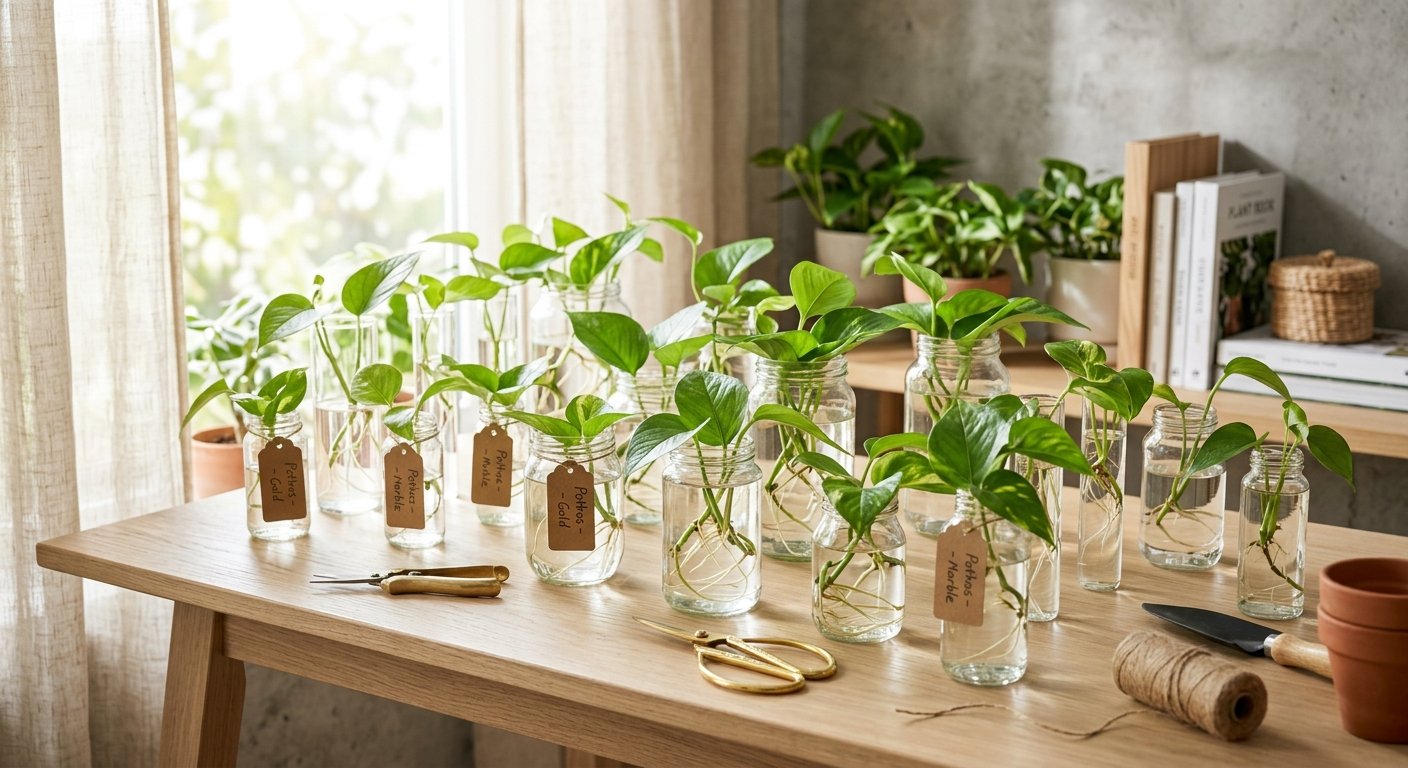
Multiplying your indoor jungle without spending extra money is one of the most rewarding aspects of being an urban gardener. Whether you want to share greenery with friends or fill empty corners in your home, learning effective Houseplant Propagation techniques opens up endless possibilities. Stem cutting is the most reliable and popular method for expanding your plant collection successfully.
Key Takeaways
- Cost-Effective Growth: Houseplant propagation lets you create unlimited new plants from your existing collection for free.
- Two Main Methods: Stem cuttings can be successfully rooted in either pure water or directly in soil.
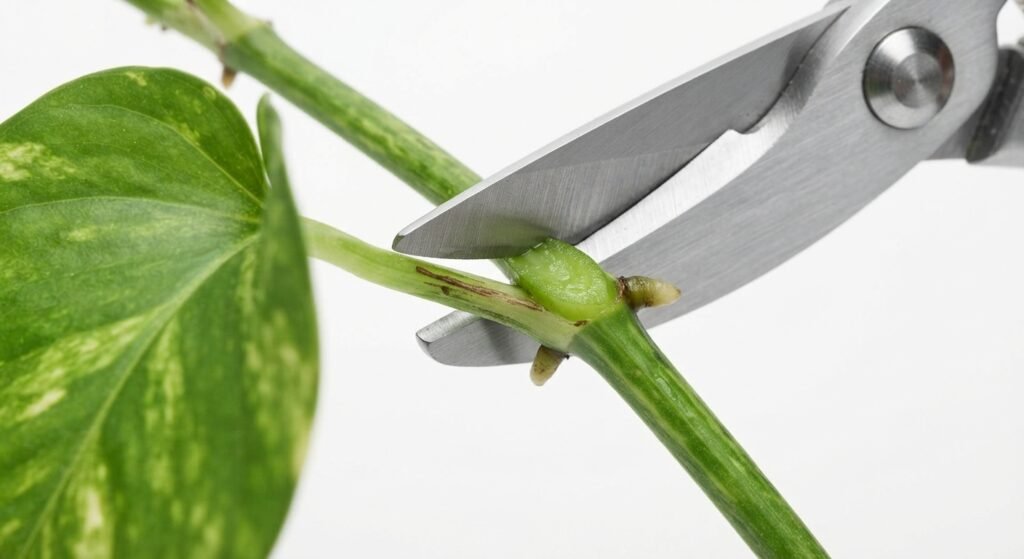
- Node Importance: Always cut just below a leaf node, as this is where new root cells initiate.
- Patience Pays Off: Most viable cuttings develop strong root systems within two to four weeks.
Why Master Stem Cutting Techniques?
Understanding how to clone your favorite plants gives you absolute control over your indoor ecosystem. Instead of buying new pots every season, you can harvest healthy stems and multiply your flora effortlessly. [Internal Link: Insert relevant internal URL here with anchor text about indoor plant care basics]
Step 1: Selecting and Preparing Your Stem Cuttings
Success begins long before your cuttings touch water or dirt. Selecting the right parent plant and making a clean cut determines whether your propagation thrives or fails.
Choosing the Parent Plant
Look for mature, vibrant mother plants free from pests or disease. Healthy stems with active growth tips provide the strongest genetic material for rooting.
Making the Cut
Using sterilized pruning shears or sharp scissors, snip a 4-to-6-inch section of a stem. Ensure your cut is made cleanly at a 45-degree angle right below a node. Remove the lower leaves so no foliage sits submerged below the waterline or soil surface.
Method A: Water Propagation Step-by-Step
Water propagation is popular because it allows you to visibly watch root systems grow day by day.
Setting Up Your Jars
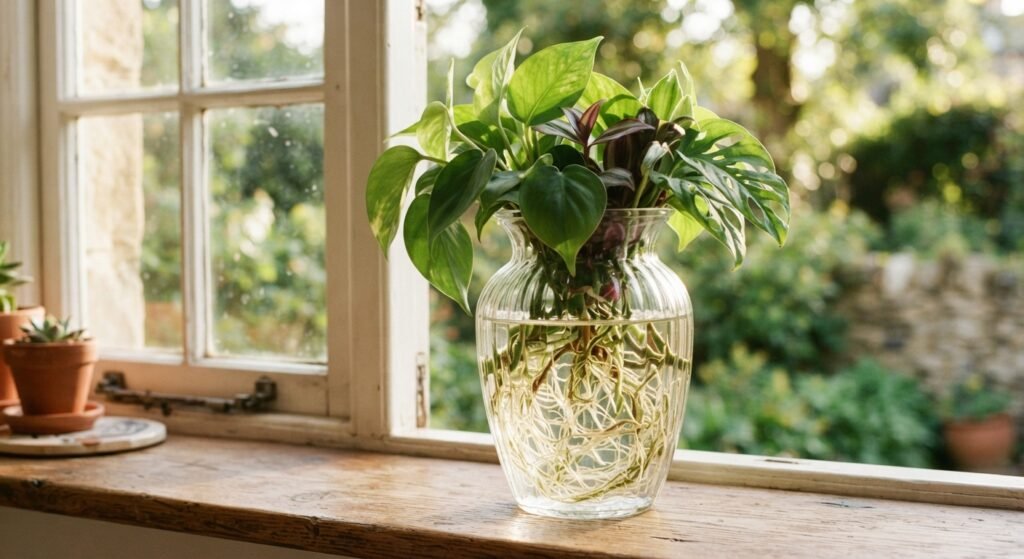
Place your prepared stem cuttings into clean glass containers filled with filtered room-temperature water. Ensure only the bare nodes are submerged while upper leaves stay dry.
Maintenance and Transplants
Position your jars in bright, indirect sunlight. Change the water every 5 to 7 days to prevent bacterial growth. Once roots reach roughly two inches in length, your cuttings are ready for a permanent potting mix.
Method B: Soil Propagation Step-by-Step
Rooting directly in soil skips the water transition shock, encouraging sturdier terrestrial roots from the very beginning.
Planting the Cutting
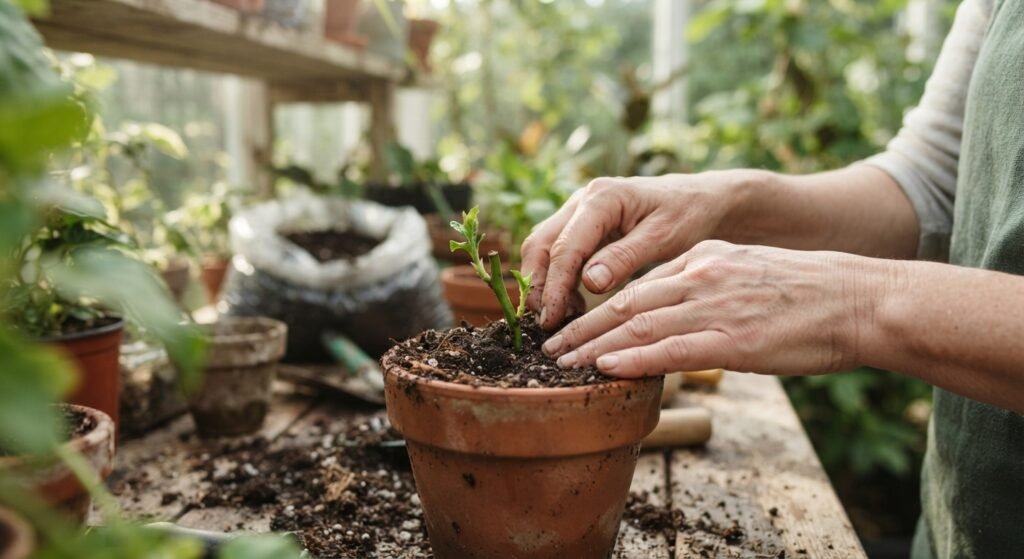
Dip your cut stem end into rooting hormone powder to accelerate growth. Insert the cutting two to three inches deep into a small pot filled with a pre-moistened, well-draining potting mix. [External Link: Insert high-authority external URL here with anchor text about botanical propagation science from Royal Horticultural Society]
Creating a Mini Greenhouse
To maintain high humidity, cover the potted cutting loosely with a clear plastic bag or dome. Place it in a warm, bright location away from direct, scorching sunlight.
Conclusion
Mastering Houseplant Propagation transforms casual plant owners into confident indoor gardeners. Whether you prefer tracking root development in water containers or establishing sturdy roots directly in rich soil, stem cuttings provide a reliable pathway to a lush, expanded collection. With a sharp pair of shears and a little patience, your indoor jungle will continue to flourish.
Frequently Asked Questions
Which houseplants are easiest to propagate from stem cuttings?
Popular indoor species like pothos, heartleaf philodendrons, snake plants, and wandering jews root exceptionally fast and reliably in both water and soil.
Do I need to use rooting hormone for stem cuttings?
While rooting hormone is not strictly mandatory for easy varieties like pothos, it significantly speeds up root development and increases success rates for tougher plants.
Why are my water propagation roots turning brown or mushy?
Brown, mushy roots indicate root rot caused by bacteria or stale water. Trim away the affected areas immediately, wash the glass container thoroughly, and refresh the water.
1 thought on “Houseplant Propagation: Water and Soil Stem Guide”