

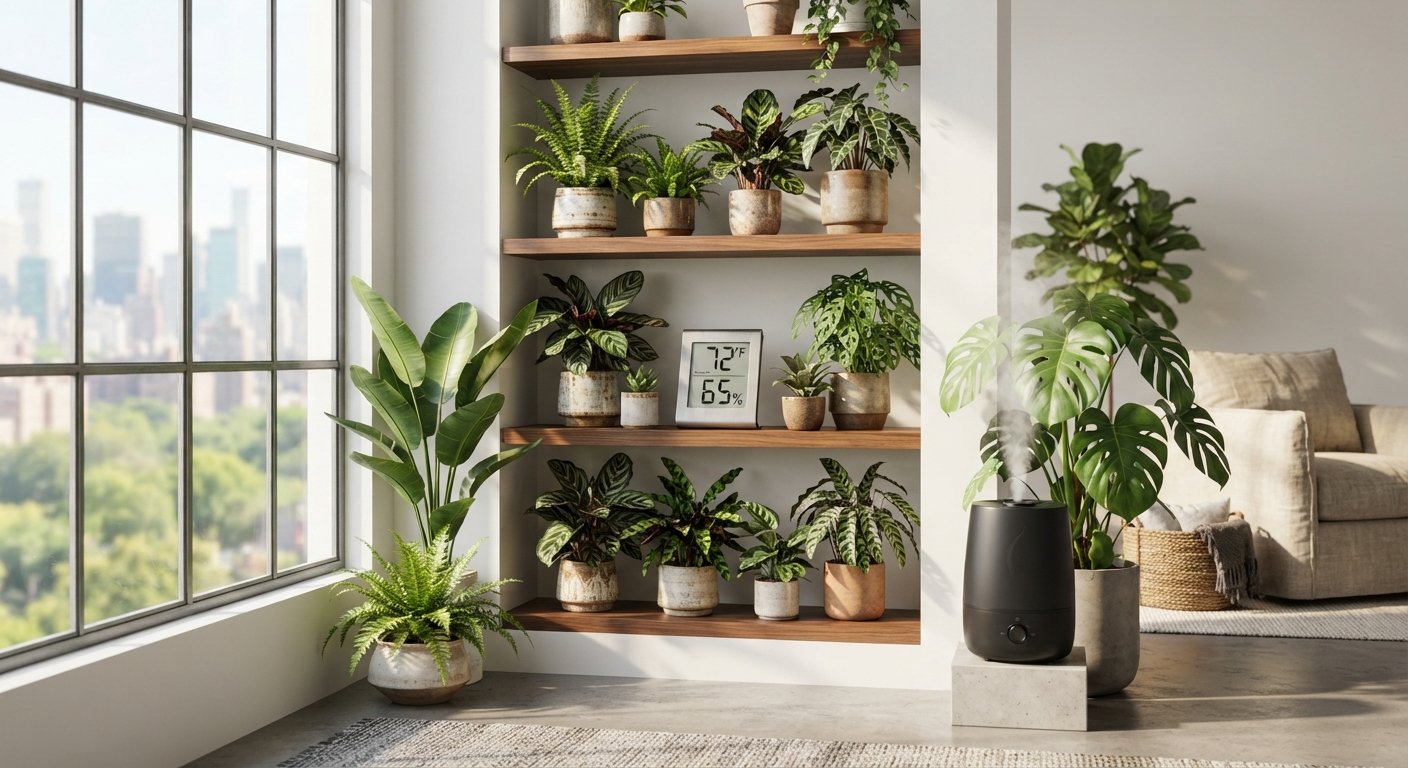
Maintaining a thriving indoor jungle requires more than just regular watering and sunlight. For most popular houseplants originating from tropical rainforests, ambient air moisture plays a critical role in their overall health and vitality. Mastering Humidity Control for Indoor Plants prevents crispy brown leaf tips, stunted growth, and common seasonal stress factors that plague domestic greenery throughout the changing seasons.
Key Takeaways
- Natural Habitats: Most indoor houseplants thrive best in relative humidity levels ranging between 50% and 70%.
- Seasonal Shifts: Winter indoor heating drastically drops home humidity, creating arid desert-like conditions that stress tropical species.
- Effective Solutions: Grouping plants together, using pebble trays, and running cool-mist humidifiers are proven ways to boost moisture.
- Preventing Disease: Balancing air moisture is essential to avoid fungal leaf spots caused by stagnant, overly wet conditions.
Why Air Moisture Levels Matter Year-Round
Unlike outdoor flora that benefit from natural rain cycles and fluctuating weather patterns, indoor plants live in climate-controlled spaces. Air conditioning in the summer and central heating in the winter strip moisture directly from the air, causing foliage to dry out rapidly. [Internal Link: Insert relevant internal URL here with anchor text about indoor plant care basics]
Understanding Seasonal Humidity Fluctuations
Winter Challenges
Indoor heating units pump out dry air, causing relative humidity inside homes to plunge below 20%. This sudden drop causes leaf tips to turn brown and crisp, particularly on delicate ferns and prayer plants.
Summer Adjustments
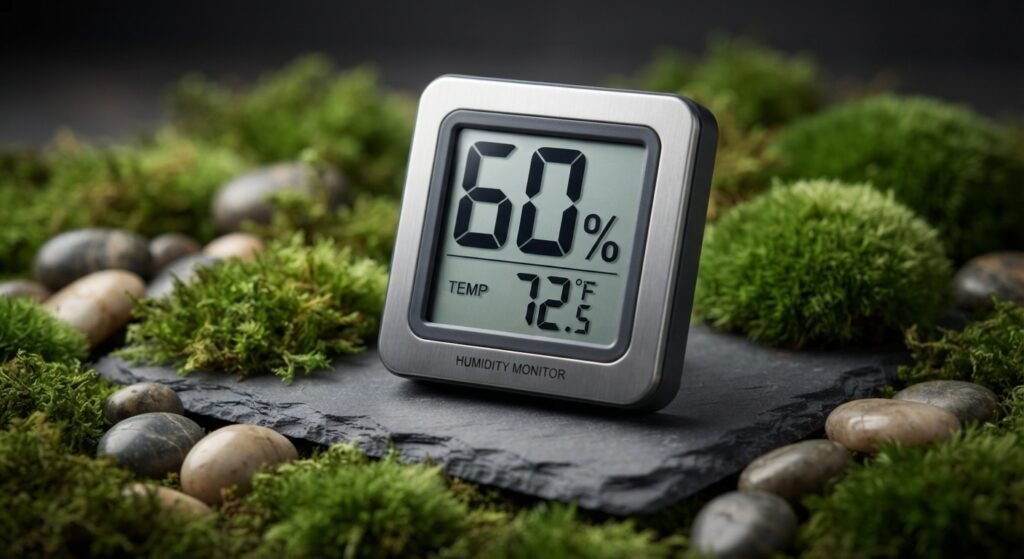
While summer naturally brings higher humidity, running air conditioning units constantly acts as a dehumidifier. Monitoring your rooms with a digital hygrometer ensures your tropical species never experience sudden shock.
Practical Methods for Managing Indoor Air Moisture
1. Grouping Plants Together
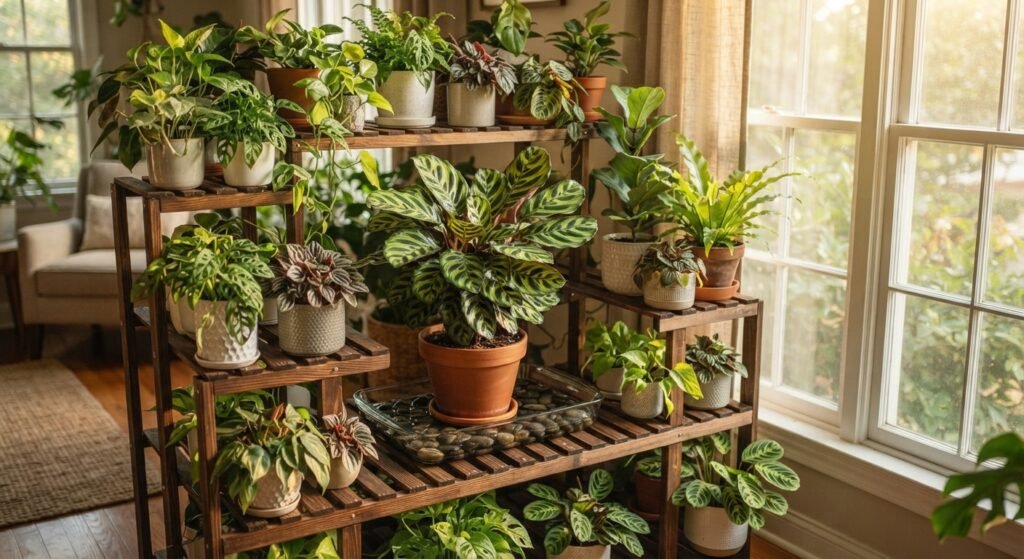
Plants naturally release moisture into the air through a process called transpiration. By clustering your humidity-loving species close together on shelves or plant stands, you create a localized microclimate with elevated moisture levels.
2. Using Pebble Trays
Place a shallow tray filled with decorative pebbles beneath your plant pots and add water just below the top of the stones. As water evaporates upward, it increases the ambient humidity directly around the foliage without soaking the root system.
3. Deploying Electric Humidifiers
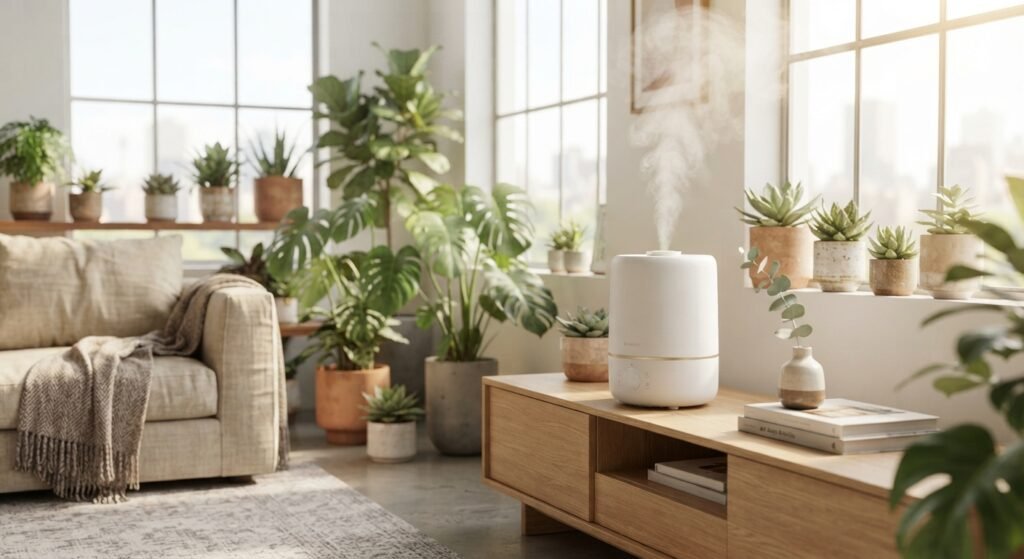
For ultimate precision, running an ultrasonic cool-mist humidifier near your sensitive plant collections provides consistent, adjustable moisture levels throughout large rooms and winter months. [External Link: Insert high-authority external URL here with anchor text about botanical environmental science from Royal Horticultural Society]
Conclusion
Effective Humidity Control for Indoor Plants bridges the gap between survival and flourishing growth. By understanding how seasonal weather shifts affect your home and implementing targeted solutions like grouping, pebble trays, or humidifiers, you can replicate a lush tropical canopy right inside your living space. Consistent climate management ensures your green collection remains vibrant and healthy all year long.
Frequently Asked Questions
What is the ideal humidity level for most indoor houseplants?
Most tropical houseplants prefer relative humidity levels between 50% and 70%, though many resilient varieties can tolerate baseline home levels around 40%.
How can I check the humidity level in my plant room?
The most accurate and efficient way to monitor ambient moisture is by placing an inexpensive digital hygrometer directly near your plant displays.
Do misting bottles actually increase room humidity for plants?
Hand misting only provides a temporary boost in moisture for a few minutes and can actually promote fungal disease if water sits too long on leaf surfaces, making humidifiers or pebble trays far more effective alternatives.
1 thought on “Best Humidity Control for Indoor Plants Guide”