

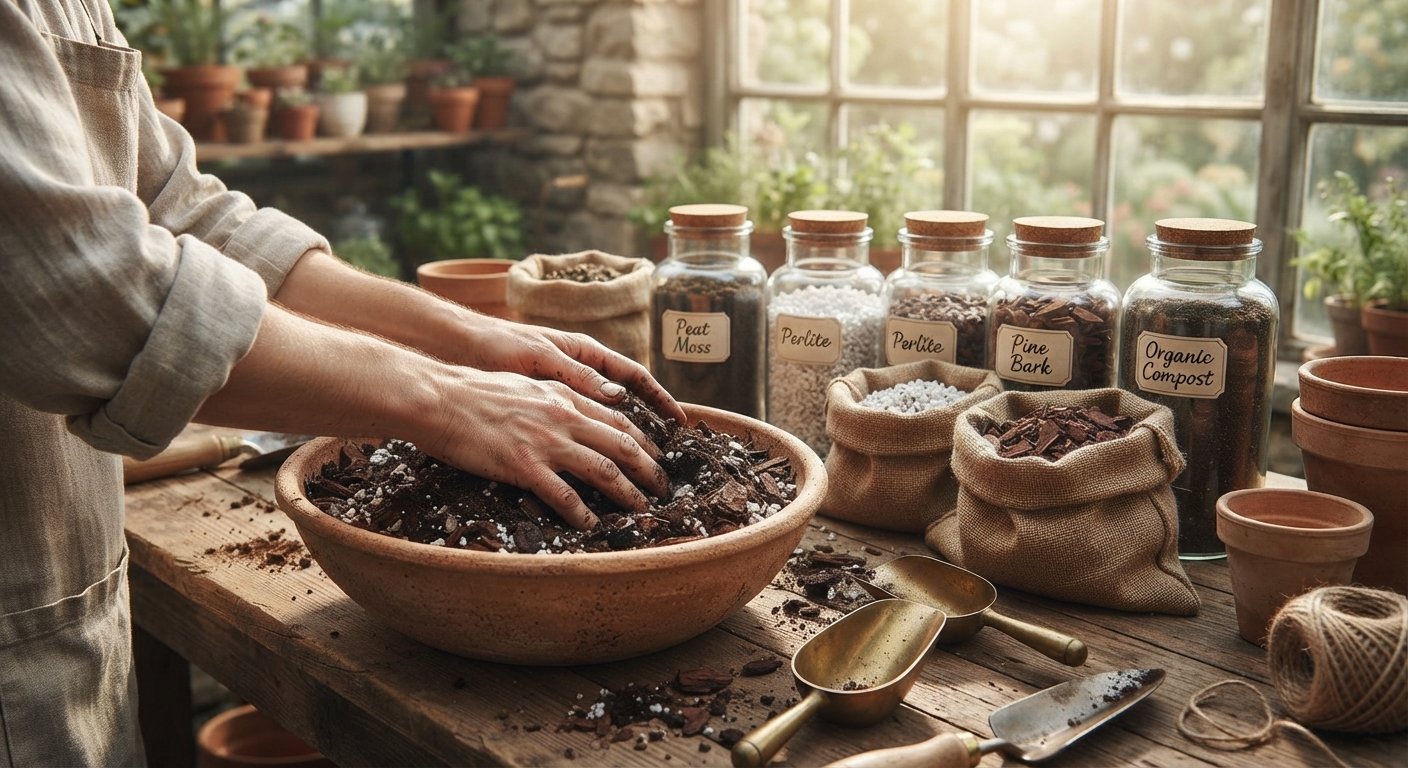
Achieving a stunning indoor jungle involves much more than simply choosing the right pot and watering on schedule. The true foundation of a thriving houseplant lies beneath the surface in its root environment. Utilizing Best Soil Mixtures custom-tailored to your specific tropical species prevents root rot, enhances nutrient absorption, and ensures your indoor foliage displays vibrant, healthy growth throughout the entire year.
Key Takeaways
- Root Aeration: High-quality potting substrates require chunky amendments like perlite or orchid bark to ensure oxygen reaches delicate root zones.
- Drainage is Vital: Standard garden dirt packs down too tightly inside pots; custom mixes allow excess water to escape rapidly.
- Tailored Nutrition: Different tropical varieties demand specific ratios of organic matter, moisture retention, and drainage capabilities.
- Preventing Disease: Fresh, sterile soil substrates eliminate the risk of introducing fungal spores or harmful soil pests to your indoor collection.
Why Standard Garden Dirt Fails Indoors
When bringing plants inside, using soil dug straight from an outdoor garden is one of the most destructive mistakes a beginner can make. Outdoor earth is heavy, compacts easily in restricted containers, and lacks the aeration necessary for indoor root systems. [Internal Link: Insert relevant internal URL here with anchor text about indoor plant care basics]
Essential Components of Custom Substrates
1. Organic Matter (Peet Moss or Coir)
Provides a moisture-retaining base that mimics natural forest floors, holding essential nutrients while keeping the overall mixture lightweight.
2. Aeration Amendments (Perlite and Pumice)
Creates microscopic air pockets within the soil structure, preventing compaction and allowing roots to breathe freely after every watering session.
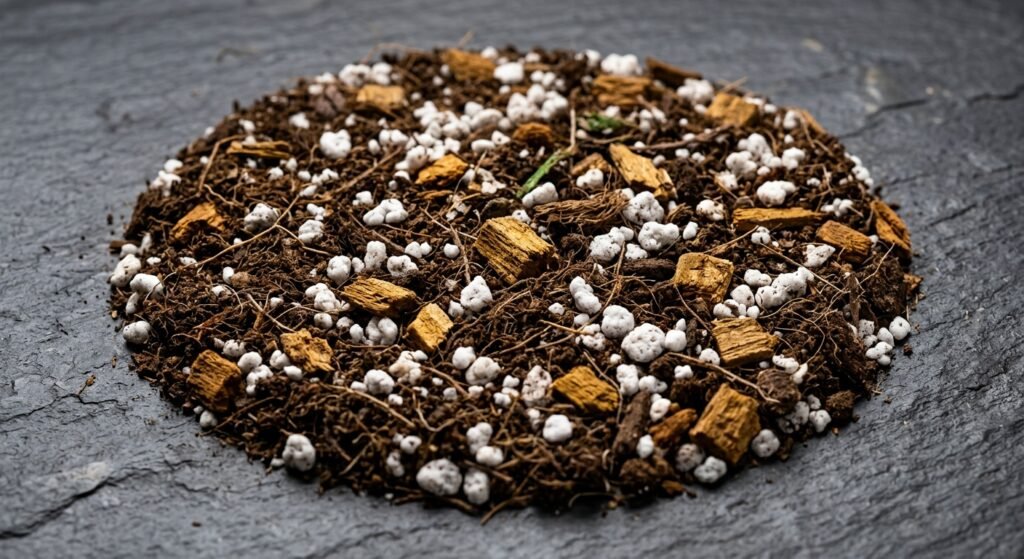
3. Drainage Elements (Chunky Pine Bark)
Imitates the epiphytic conditions of tropical canopies, ensuring heavy water flushes drain instantly past the root ball. [External Link: Insert high-authority external URL here with anchor text about botanical soil science from Royal Horticultural Society]
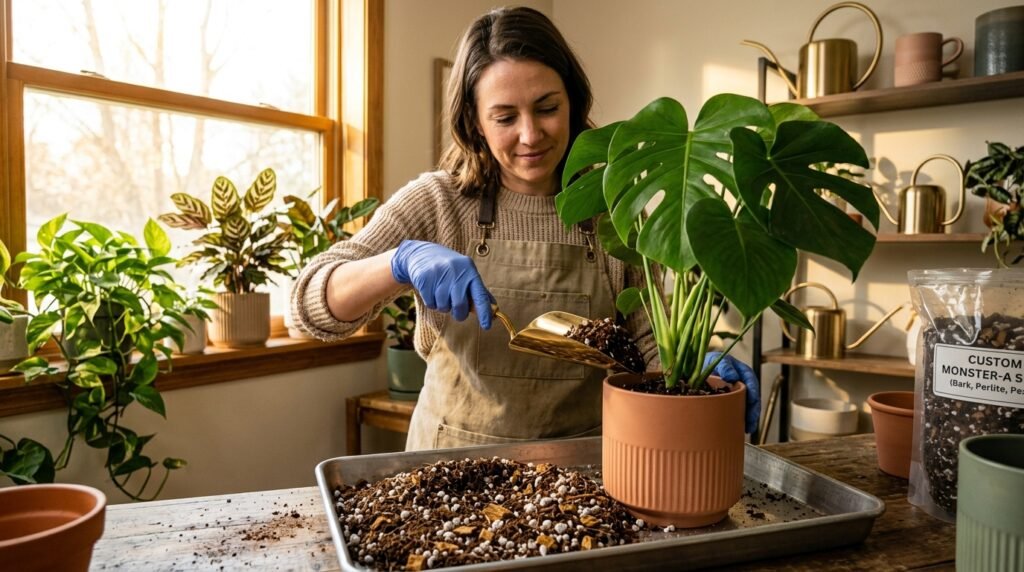
Crafting Your Own Custom Substrates at Home
The Universal Tropical Mix
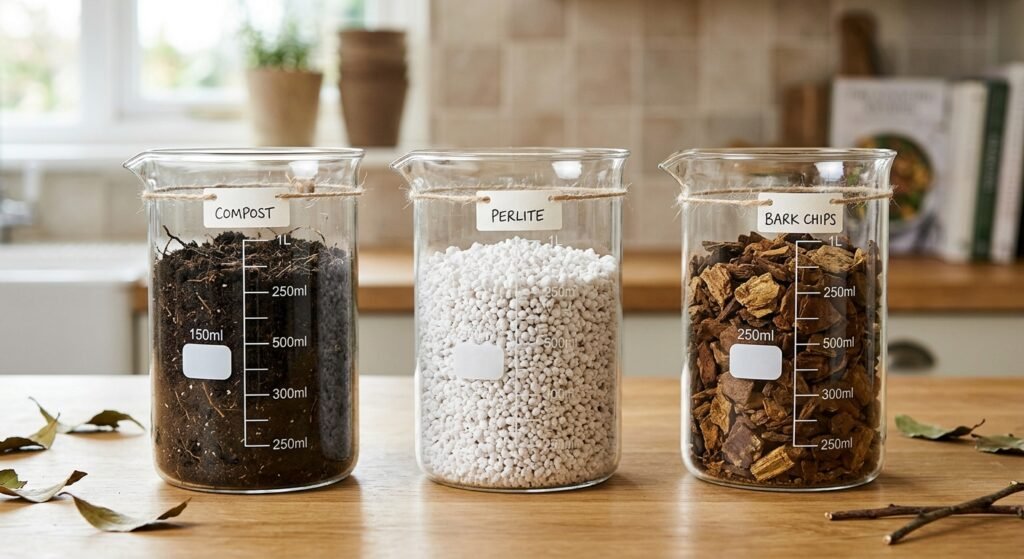
Combine two parts high-quality peat moss, one part perlite, and one part orchid bark. This balanced recipe works exceptionally well for monsteras, philodendrons, and pothos.
The Succulent and Cacti Blend
Mix equal parts standard potting soil, coarse horticultural sand, and perlite to create a fast-draining medium that prevents moisture retention around sensitive succulent roots.
Conclusion
Investing time into formulating or selecting the Best Soil Mixtures dramatically transforms the health and resilience of your indoor flora. By prioritizing proper aeration, effective drainage, and balanced organic nutrients, you provide your houseplants with the ultimate foundation for lush, uninterrupted growth.
Frequently Asked Questions
Can I reuse old potting soil from dead houseplants?
Reusing old soil is generally discouraged unless it is thoroughly sterilized and re-amended, as it often lacks vital nutrients and may harbor fungal spores or pest eggs.
How often should I completely repot my indoor plants with fresh soil?
Most indoor houseplants benefit from a complete soil refresh and repotting every 12 to 24 months to replenish depleted nutrients and correct soil compaction.
Why is my indoor plant soil staying wet for weeks?
Soil that stays soggy for extended periods indicates a lack of sufficient drainage amendments like perlite or bark, or a container that lacks proper bottom drainage holes.