

Pet Friendly Houseplants: 7 Amazing Safe Species
Pet friendly houseplants are an absolute necessity for animal lovers across the US who want to cultivate a vibrant indoor jungle without risking the health and safety of their curious cats and dogs. Many popular tropical foliage plants harbor toxic oxalates or poisonous alkaloids that can trigger severe gastrointestinal distress if nibbled by household pets.
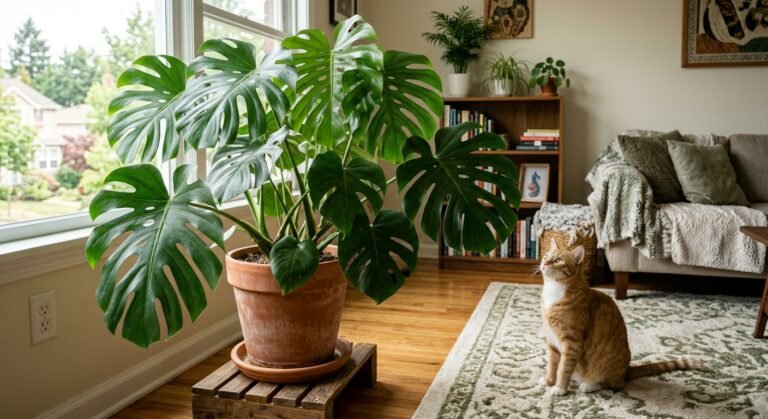
Mastering how to select and arrange pet friendly houseplants allows you to decorate your living spaces with total peace of mind. By replacing hazardous monsteras and dieffenbachias with non-toxic botanical alternatives, you create a harmonious sanctuary where both your prized greenery and beloved furry companions can thrive together.
Implementing expert guidelines on pet friendly houseplants ensures your indoor garden remains safe, beautiful, and easy to maintain. Let us explore the top non-toxic plant varieties, essential safety tips, and a foolproof 7-step selection framework designed for modern US households.
Table of Contents
- Key Takeaways
- Why Choosing Non-Toxic Indoor Plants Matters
- Top 7 Safe Houseplant Species for Cats and Dogs
- Pet Friendly Houseplants Comparison Matrix
- 7 Essential Steps to Style Pet Friendly Houseplants Safely
- Preventing Pets from Digging in Planters
- Conclusion
- Frequently Asked Questions
Key Takeaways
- Verify Botanical Names: Always cross-reference plant species scientifically to ensure they are 100% non-toxic to both felines and canines.
- Avoid Common Toxins: Keep dangerous plants like lilies, pothos, and snake plants completely out of reach or banned from pet-accessible rooms.
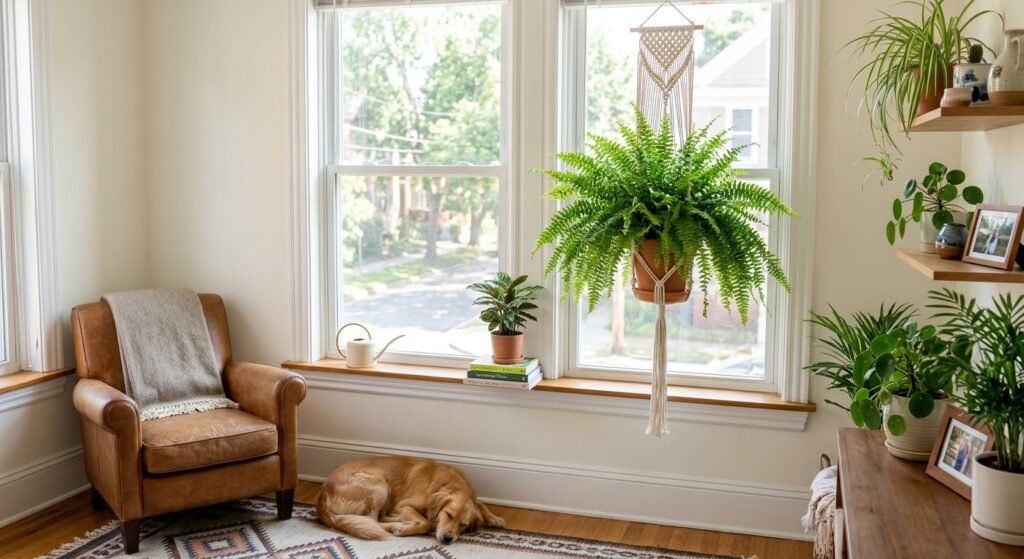
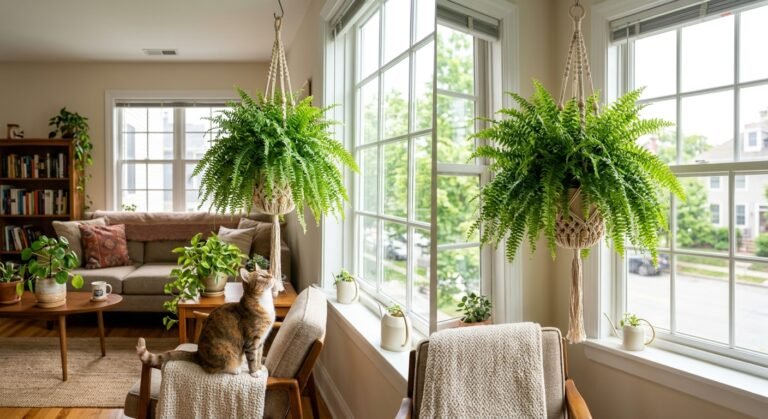
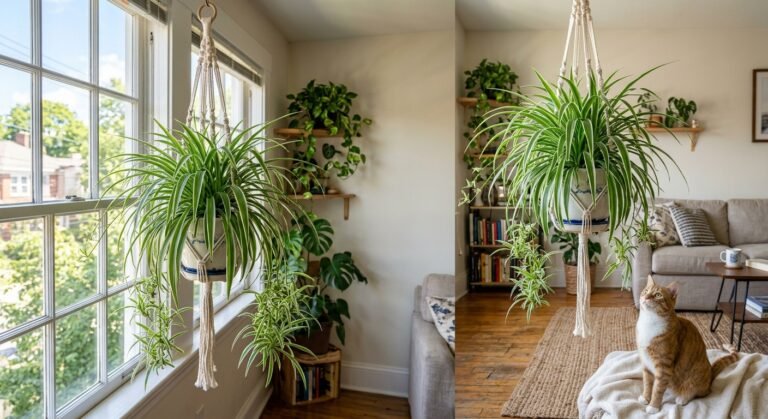
- Use Hanging Planters: Suspend trailing pet-safe greenery in macrame holders to keep vines away from playful paws.
- Cover Soil Surfaces: Place smooth river stones over topsoil to prevent cats from digging or treating pots as litter boxes.
- Check ASPCA Database: Consult the official ASPCA toxic and non-toxic plant database before bringing new foliage into your home.
Why Choosing Non-Toxic Indoor Plants Matters
Understanding the importance of pet friendly houseplants protects your pets from accidental poisoning during moments of natural curiosity.
Cats love chewing on long, grass-like leaves, while dogs often investigate soil smells and low-hanging foliage during playtime.
Selecting certified non-toxic species eliminates emergency veterinary visits and ensures a secure environment for your household pets.
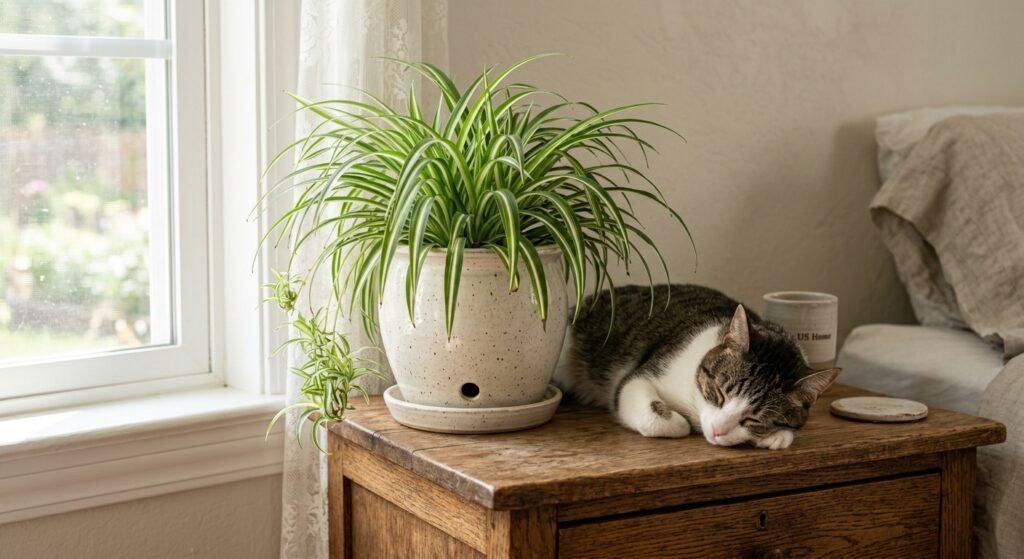
Top 7 Safe Houseplant Species for Cats and Dogs
Building a diverse collection of pet friendly houseplants is simple when you choose resilient, highly attractive botanical varieties.
1. Spider Plant (Chlorophytum comosum)
Famous for arching green-and-white striped leaves that produce harmless baby pups, captivating curious cats.
2. Boston Fern (Nephrolepis exaltata)
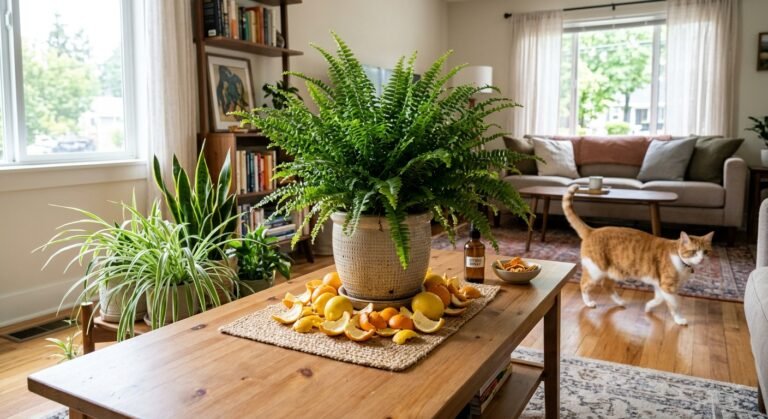
Features lush, feathery fronds that thrive in humid indoor spaces without posing any toxic threat to pets.
3. Parlor Palm (Chamaedorea elegans)
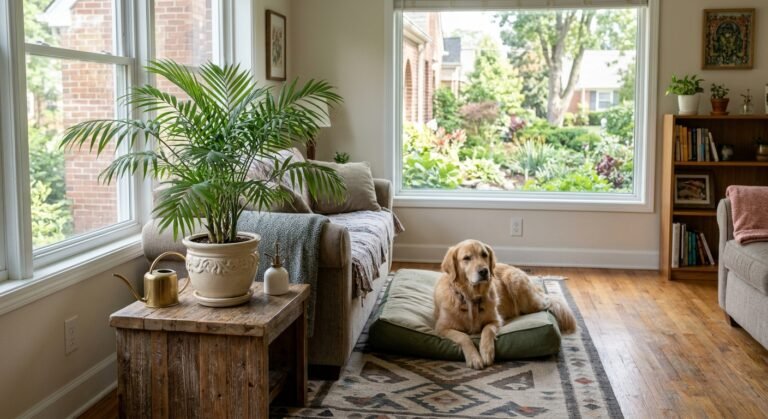
A graceful, compact palm that brings a sophisticated tropical resort vibe to living rooms safely.
4. Calathea Varieties (Calathea spp.)
Stunning patterned foliage plants that are completely non-toxic to both dogs and cats.
5. Money Tree (Pachira aquatica)
Features an iconic braided trunk and lush canopy, offering an auspicious and pet-safe floor plant option.
6. Ponnea Palm (Beaucarnea recurvata)
Boasts a swollen water-storing trunk and curly cascading leaves that cats adore safely.
7. African Violet (Saintpaulia)
Produces velvety green leaves and charming purple flowers, adding vibrant color safely to windowsills.
Pet Friendly Houseplants Comparison Matrix
The comparison table below outlines light requirements, toxicity status, and pet safety ratings for popular indoor plants:
| Plant Species | Light Requirement | Toxicity Status | Cat Safe? | Dog Safe? |
| Spider Plant | Bright Indirect Light | 100% Non-Toxic | Yes | Yes |
| Boston Fern | Medium Indirect Light | 100% Non-Toxic | Yes | Yes |
| Parlor Palm | Low to Medium Light | 100% Non-Toxic | Yes | Yes |
| Calathea | Shaded / Indirect Light | 100% Non-Toxic | Yes | Yes |
| Money Tree | Bright Indirect Light | 100% Non-Toxic | Yes | Yes |
Essential Steps to Style Pet Friendly Houseplants Safely
Follow this step-by-step framework to arrange and protect your indoor botanical displays:
               [Verify Plant Safety via ASPCA]
                             |
         +-------------------+-------------------+
         |                                       |
[Select Non-Toxic Species]               [Choose Safe Placement Zones]
         |                                       |
(Spider plants, ferns, palms)            (Hanging shelves or high stands)
         |                                       |
         v                                       v
Cover soil with river stones,           Monitor pet behavior and enjoy
keep toxic plants entirely banned       a secure, lush green home
1. Verify Plant Safety
Check every potential purchase against official botanical safety databases to guarantee it poses zero threat to animals.
2. Select Non-Toxic Species
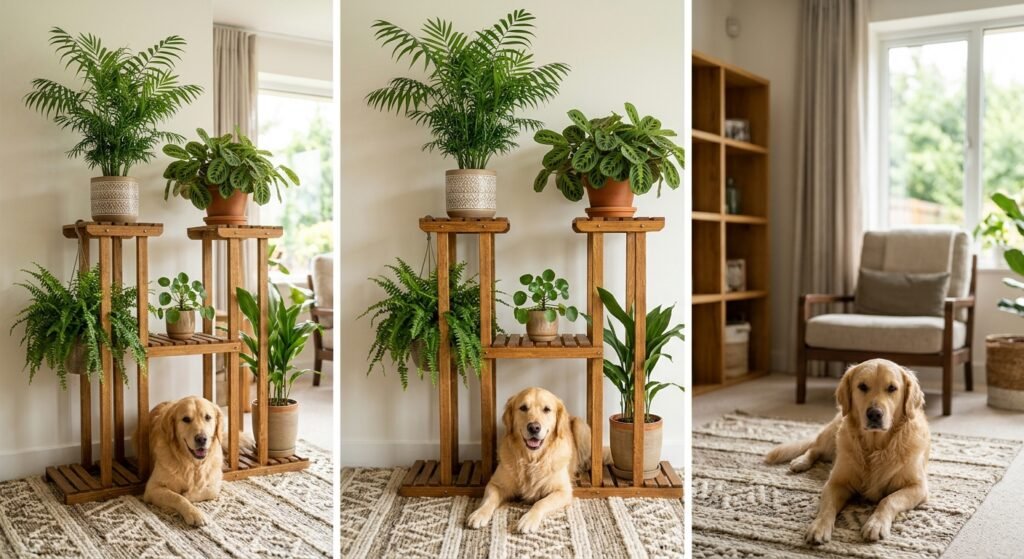
Choose robust, pet-safe varieties like spider plants, parlor palms, and Boston ferns for your main living areas.
3. Utilize Vertical Display Space
Mount trailing pet-safe plants on high floating shelves or suspend them in sturdy macrame hangers.
4. Secure Heavy Floor Planters
Place large floor plants in heavy ceramic pots so playful dogs cannot knock them over accidentally.
5. Cover Soil with River Stones
Layer smooth decorative stones over the topsoil to deter cats from digging or disturbing the roots.
6. Restrict Access to Fertilizer
Store plant foods, liquid fertilizers, and sharp pruning tools securely in locked cabinets away from pets.
7. Monitor Pet Behavior Daily
Observe how your cats and dogs interact with your greenery to ensure they do not develop bad chewing habits.
Preventing Pets from Digging in Planters
Even when dealing with pet friendly houseplants, curious cats sometimes attempt to use loose potting soil as a digging box.
Prevent this behavior by placing wire mesh grids just beneath the soil surface or topping pots with smooth glass marbles.
Sprritzing outer rims with diluted citrus spray can also deter felines, as cats naturally dislike strong citrus scents.
Conclusion
Mastering the selection and arrangement of pet friendly houseplants allows you to create a gorgeous, vibrant indoor jungle while keeping your cats and dogs completely safe. By choosing non-toxic species, utilizing vertical hanging spaces, and securing pot soil, you can enjoy stress-free indoor gardening.
Review your indoor plant collection today, apply these 7 essential safety steps, and enjoy a flourishing pet-safe home!
Frequently Asked Questions
What are the best pet friendly houseplants for low-light rooms?
Parlor palms and cast iron plants are exceptional low-light choices that are 100% non-toxic and thrive in dimly lit indoor spaces.
Are snake plants and pothos safe for cats and dogs?
No, both snake plants and pothos contain calcium oxalate crystals, which cause mouth irritation, excessive drooling, and vomiting if ingested by pets.
How can I stop my cat from eating my indoor houseplants?
You can deter cats by offering them fresh cat grass, placing plants out of reach in hanging baskets, or spraying pot rims with harmless citrus deterrents.

One Comment