
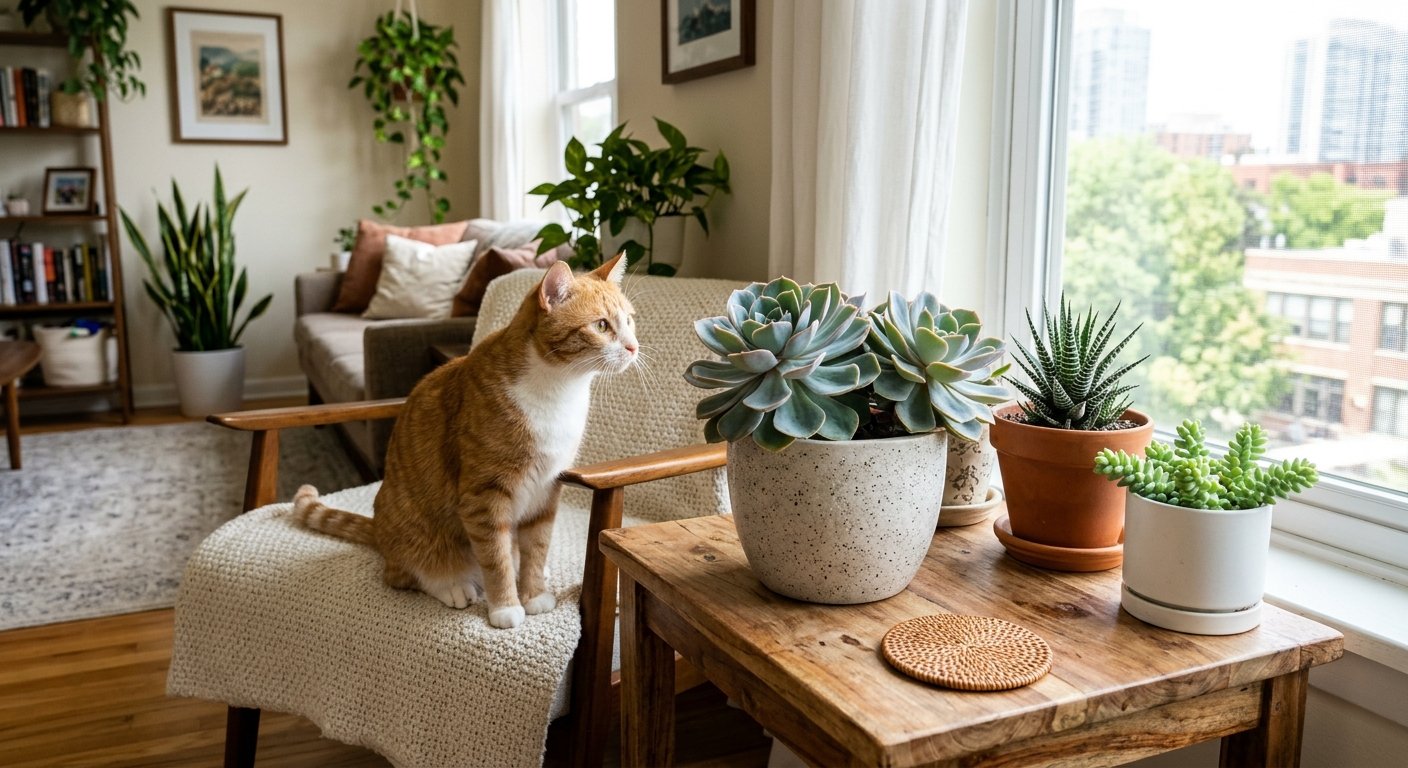
Non Toxic Succulents: 7 Amazing Safe Species for Pet Owners
Non toxic succulents are essential for plant lovers across the US who want to build a stunning indoor botanical collection without putting curious cats and dogs at risk. While popular houseplants like jade plants, aloes, and certain euphorbias contain irritating toxins, many resilient succulent varieties are 100% safe for household pets.
Mastering how to select and care for non toxic succulents allows you to decorate windowsills, shelves, and tabletops with absolute peace of mind. By replacing hazardous plants with certified pet-friendly alternatives, you create a harmonious living space where your green display and furry companions thrive together safely.
Implementing expert guidelines for non toxic succulents ensures your indoor garden remains vibrant, healthy, and remarkably easy to maintain. Let us explore the top pet-safe species, essential care rules, and a foolproof 7-step selection framework tailored for modern US homes.
Table of Contents
- Key Takeaways
- Why Choosing Pet-Safe Succulents Matters
- Top 7 Amazing Non Toxic Succulents for Cats and Dogs
- Succulent Care and Watering Best Practices
- Non Toxic Succulents Comparison Matrix
- 7 Essential Steps to Style Non Toxic Succulents Safely
- Preventing Pets from Digging in Pots
- Conclusion
- Frequently Asked Questions
Key Takeaways
- Verify Botanical Names: Always cross-reference plant species scientifically to ensure they are officially recognized as non-toxic by the ASPCA.
- Avoid Common Toxins: Keep hazardous plants like jade, aloe vera, and snake plants completely away from pet-accessible rooms.
- Embrace Bright Light: Position your succulent pots near south or west-facing windows to provide 6 hours of bright daily sunlight.
- Allow Soil to Dry: Water thoroughly only when the potting mix is 100% dry to prevent fatal root rot.
- Use Porous Soil: Plant in a fast-draining cactus and succulent mix combined with coarse perlite or pumice.
Why Choosing Pet-Safe Succulents Matters
Understanding why non toxic succulents are vital for modern households protects your pets from accidental ingestion during playtime.
Cats love batting at plump, dangling leaves, while dogs often investigate strange new textures and soil smells on low tables.
Choosing certified safe species eliminates emergency vet visits and ensures a secure, worry-free indoor jungle experience.
Top 7 Amazing Non Toxic Succulents for Cats and Dogs
Building a diverse display of non toxic succulents is simple when you select resilient, highly attractive botanical varieties.
1. Echeveria Varieties (Echeveria spp.)
Famous for stunning geometric rosettes in pastel pinks, blues, and greens, offering 100% safety for pets.
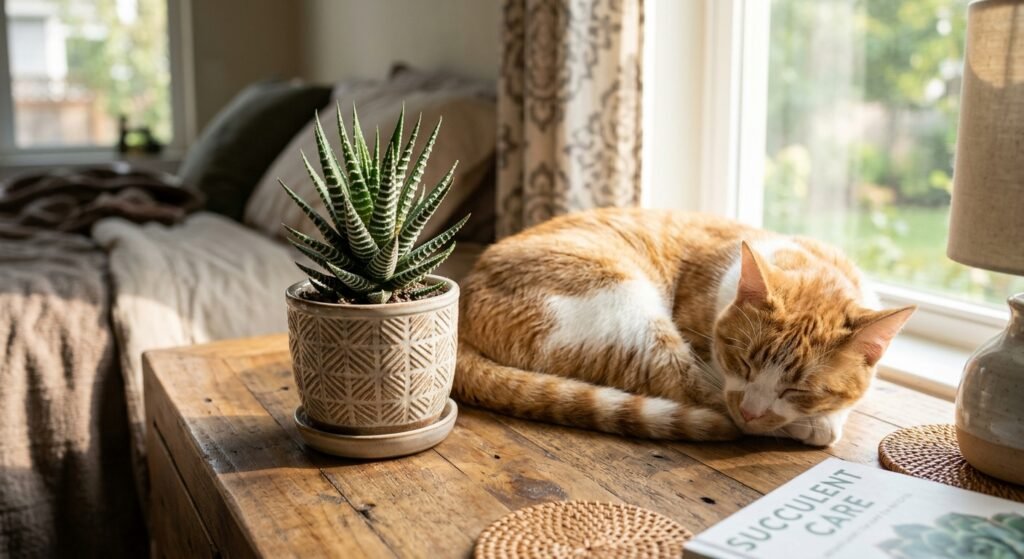
2. Haworthia Varieties (Haworthia fasciata)
Boasts zebra-striped white ridges on thick green leaves, thriving effortlessly in low-to-medium indoor light.
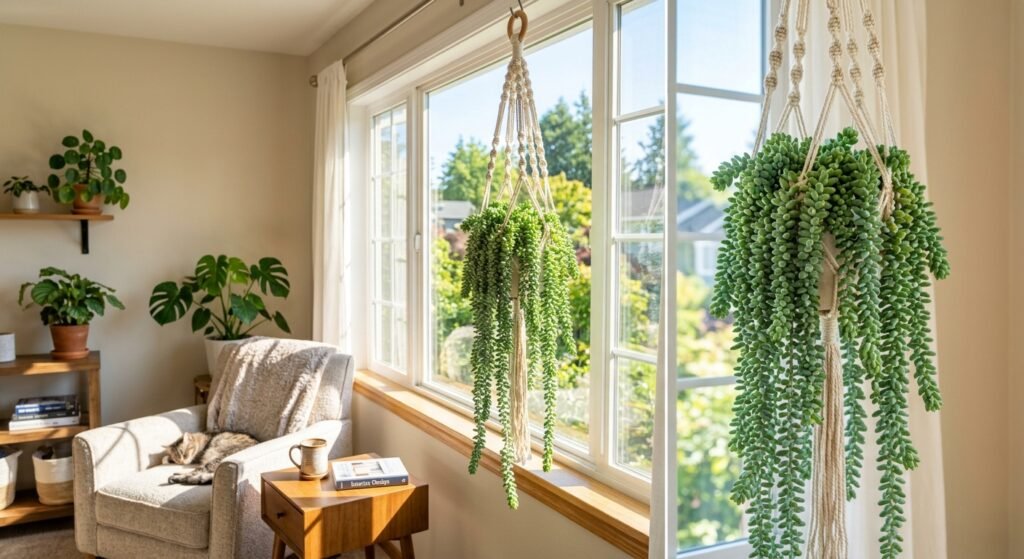
3. Burro’s Tail (Sedum morganianum)
Features cascading stems packed with plump blue-green leaves, perfect for safe hanging baskets.
4. Hens and Chicks (Sempervivum tectorum)
Hardy rosette-forming succulents that multiply rapidly and pose zero toxic threat to dogs or cats.
5. Christmas Cactus (Schlumbergera bridgesii)
Produces gorgeous winter blooms without any harmful alkaloids or calcium oxalate crystals.
6. Living Stones (Lithops spp.)
Fascinating pebble-like succulent plants that tolerate severe drought and remain completely pet safe.
7. Ghost Plant (Graptopetalum paraguayense)
Displays powdery lavender rosettes that catch sunlight beautifully on bright indoor windowsills.
Succulent Care and Watering Best Practices
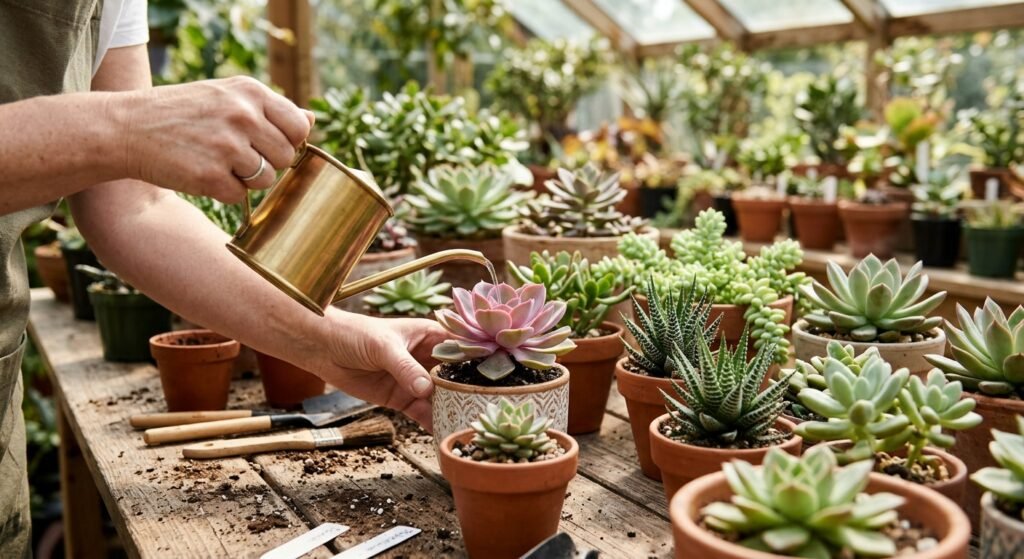
Mastering watering rules is critical when maintaining healthy non toxic succulents in indoor home environments.
Overwatering is the number one cause of succulent decline, quickly causing translucent leaves and soggy root rot.
Always allow potting soil to dry completely between watering sessions, ensuring pots feature functional bottom drainage holes.
Non Toxic Succulents Comparison Matrix
The comparison table below outlines light requirements, watering frequency, and pet safety ratings for popular succulent species:
| Succulent Species | Light Requirement | Watering Frequency | Growth Habit | Pet Safety Status |
| Echeveria | Bright Direct Sunlight | Every 14 to 21 Days | Rosette Cluster | 100% Safe (Cats & Dogs) |
| Haworthia | Medium Indirect Light | Every 10 to 14 Days | Upright Clump | 100% Safe (Cats & Dogs) |
| Burro’s Tail | Bright Filtered Light | Every 14 to 18 Days | Trailing Stems | 100% Safe (Cats & Dogs) |
| Christmas Cactus | Medium Indirect Light | Every 10 to 12 Days | Cascading Blooms | 100% Safe (Cats & Dogs) |
| Ghost Plant | Bright Direct Sunlight | Every 14 to 21 Days | Sprawling Rosette | 100% Safe (Cats & Dogs) |
7 Essential Steps to Style Non Toxic Succulents Safely
Follow this step-by-step framework to arrange, plant, and protect your indoor succulent displays:
               [Verify Plant Safety via ASPCA]
                             |
         +-------------------+-------------------+
         |                                       |
[Select 100% Safe Species]               [Use Porous Cactus Soil Mix]
         |                                       |
(Echeveria, Haworthia, Sedum)            (Prevent root rot and saturation)
         |                                       |
         v                                       v
Provide bright sunny window,            Cover topsoil with river stones,
water only when completely dry           enjoy a secure pet-safe home
1. Verify Official Pet Safety
Cross-reference every succulent purchase against veterinary databases to guarantee complete non-toxicity for animals.
2. Select Certified Safe Varieties
Choose popular pet-safe favorites like Echeverias, Haworthias, and Christmas cacti for your indoor display.
3. Use Porous Cactus Soil
Plant your succulents in a specialized fast-draining cactus mix blended with perlite to prevent root suffocation.
4. Provide Bright Daily Sunlight
Place your containers near south or west-facing windows where they receive at least 6 hours of bright light.
5. Follow the Dry-Soil Watering Rule
Check soil depth with your finger, watering thoroughly only when the entire potting mix is completely dry.
6. Cover Soil with Decorative Stones
Layer smooth river stones over the topsoil to prevent curious cats from digging or disturbing the roots.
7. Monitor Pet Interaction Weekly
Observe how your cats and dogs interact with your plant setup to ensure they do not knock pots over.
Preventing Pets from Digging in Pots
Even when dealing with non toxic succulents, playful cats sometimes attempt to use loose potting soil as a digging tray.
Prevent this behavior by placing wire mesh grids just beneath the soil surface or topping containers with smooth glass pebbles.
Sprritzing outer pot rims with diluted citrus spray can also deter felines, as cats naturally dislike strong citrus scents.
Conclusion
Mastering the selection and care of non toxic succulents allows you to create a gorgeous, vibrant indoor jungle while keeping your cats and dogs completely safe. By choosing pet-friendly species, using well-draining soil, and ensuring bright sunlight, you can enjoy stress-free indoor gardening.
Review your indoor plant collection today, apply these 7 essential styling steps, and enjoy a flourishing pet-safe home!
Frequently Asked Questions
Are all succulent plants safe for cats and dogs?
No, many popular succulents like jade plants, aloes, and kalanchoes are toxic and cause vomiting or lethargy if ingested by pets. Always verify species.
What is the best lighting for indoor non-toxic succulents?
Most succulents thrive best near south or west-facing windows where they receive at least 6 hours of bright, direct daily sunlight.
How often should I water my indoor succulent plants?
Water your succulents every 14 to 21 days, making sure the potting soil is 100% dry before administering your next thorough watering session.

One Comment