

Container Vegetable Garden: 7 Best Balcony Growing Steps
A container vegetable garden is the ultimate productive solution every US urban plant enthusiast must master to harvest fresh, organic produce right from their apartment balcony. Growing food in small spaces allows city dwellers to cultivate tomatoes, peppers, and leafy greens without needing a traditional backyard lawn or plot.
Mastering how to start a container vegetable garden enables you to maximize limited vertical space, optimize sunlight exposure, and control soil nutrition precisely. Instead of buying expensive store-bought vegetables, harnessing pots and planters provides a rewarding, sustainable way to enjoy farm-to-table freshness at home.
Implementing expert guidelines for your container vegetable garden ensures your urban botanical space stays lush, pest-free, and remarkably productive. Let us explore the core science of sunlight hours, container sizing rules, and a foolproof 7-step growing framework tailored for modern US households.
Table of Contents
- Key Takeaways
- The Science of Sunlight and Microclimate Management
- Selecting the Right Pots and Drainage Systems
- Step-by-Step Potting Soil and Nutrient Setup
- Container Vegetable Garden Comparison Matrix
- 7 Best Steps to Build a Thriving Container Vegetable Garden Indoors and Out
- Avoiding Overwatering and Soil Compaction
- Conclusion
- Frequently Asked Questions
Key Takeaways
- Prioritize Direct Sunlight: Most edible vegetables require at least 6 hours of direct daily sunlight to produce healthy harvests.
- Choose Adequate Pot Sizes: Select large containers (5 to 10 gallons) for tomatoes and peppers, while herbs thrive in smaller pots.
- Ensure Functional Drainage: Always use planters with open bottom drainage holes to prevent fatal root rot from standing water.
- Use Premium Potting Mix: Never use heavy outdoor garden dirt in pots; use a light, porous soil blend rich in organic compost.
- Water Consistently: Container plants dry out much faster than garden beds, requiring daily moisture checks during warm weather.
The Science of Sunlight and Microclimate Management
Establishing a successful container vegetable garden starts with evaluating your balcony’s unique solar orientation and wind exposure.
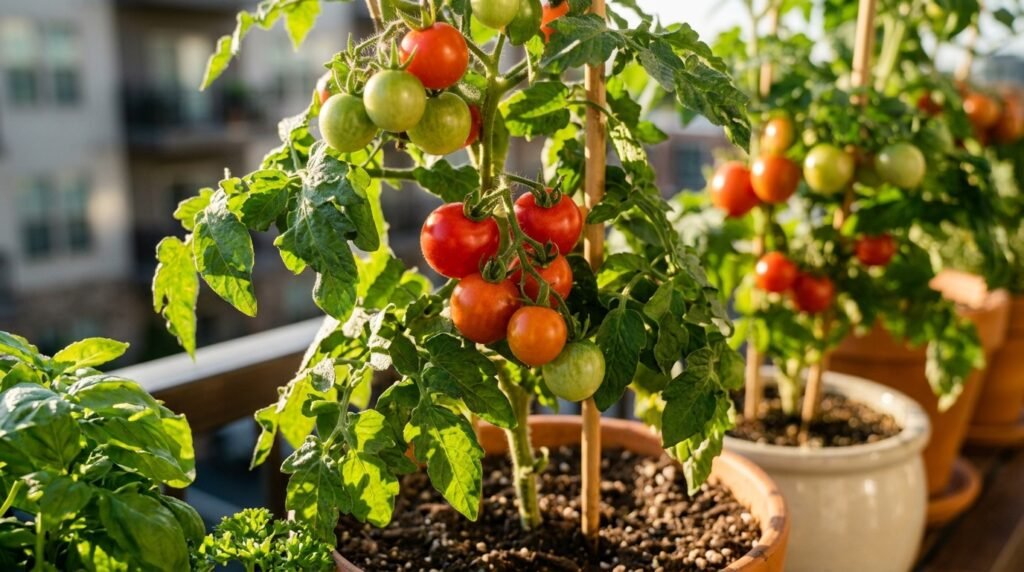
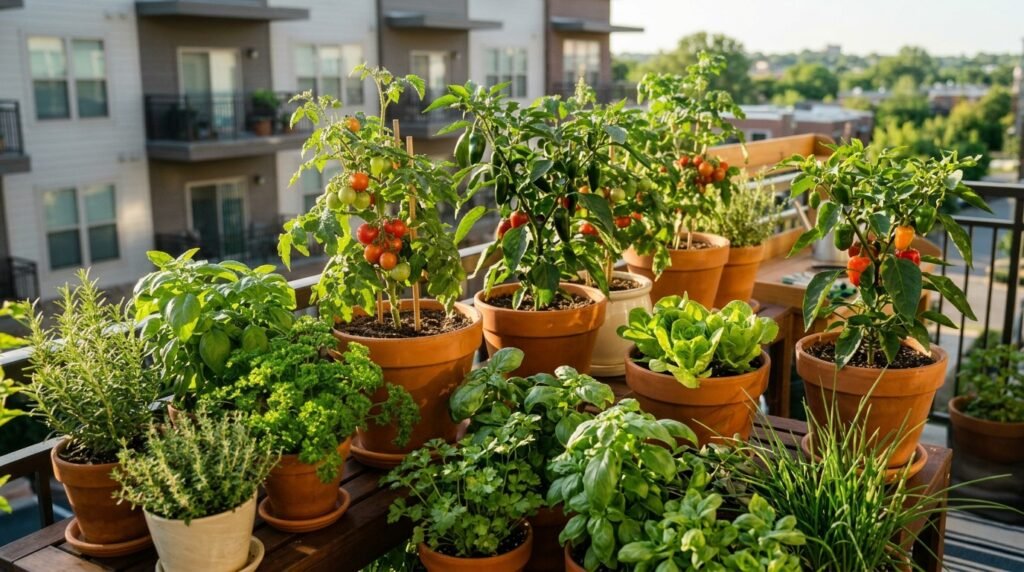
South-facing and west-facing balconies provide the intense, direct sunlight needed for fruiting crops like tomatoes, strawberries, and chili peppers.
North-facing or shaded balconies are better suited for leafy greens, herbs, and root crops that tolerate lower light levels.
Selecting the Right Pots and Drainage Systems
Choosing appropriate containers is vital when planning a container vegetable garden to ensure root systems have adequate space and aeration.
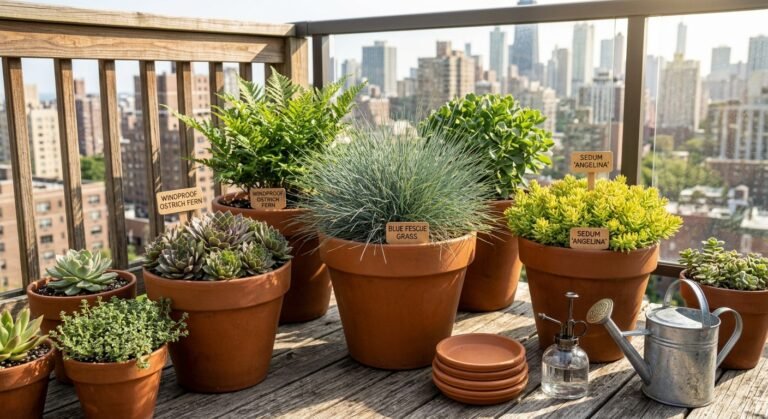
Fabric grow bags, terracotta pots, and large plastic resin planters all offer unique advantages for urban balcony growers.
Always pair your containers with matching saucers or trays to catch excess water while protecting balcony flooring.
Step-by-Step Potting Soil and Nutrient Setup
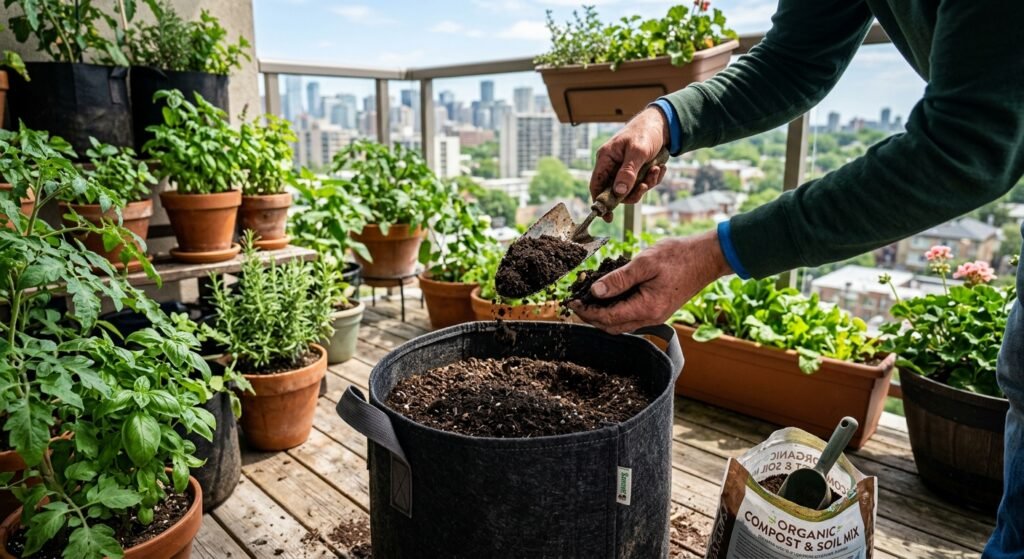
Maintaining fertility in a container vegetable garden requires using high-grade, nutrient-dense potting media rather than dense native dirt.
Because nutrients wash out of pots quickly during watering, incorporate slow-release organic fertilizers and worm castings into your soil mix.
Top-dress your containers seasonally to replenish essential minerals and maintain optimal biological activity in the root zone.
Container Vegetable Garden Comparison Matrix
The comparison table below outlines container sizes, soil volumes, and ideal vegetable crops for urban balcony growing:
| Vegetable Crop Type | Minimum Pot Size | Soil Volume Needed | Daily Sunlight Needs | Watering Frequency |
|---|---|---|---|---|
| Cherry Tomatoes | 10-Gallon Pot | 1.5 Cubic Feet | 6 to 8 Hours Direct | Daily in Summer |
| Bell Peppers | 5-Gallon Pot | 0.75 Cubic Feet | 6 Hours Direct | Every 1 to 2 Days |
| Leafy Lettuce | 8-Inch Window Box | 0.25 Cubic Feet | 4 to 6 Hours (Partial) | Every 2 Days |
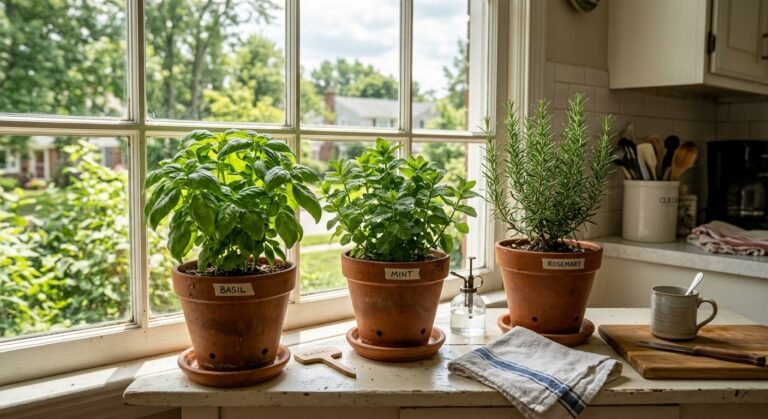
| Culinary Herbs | 6-Inch Pot | 0.10 Cubic Feet | 6 Hours Direct | When Soil Dries |
7 Best Steps to Build a Thriving Container Vegetable Garden Indoors and Out
Follow this comprehensive framework to successfully establish and maintain your container vegetable garden on any urban balcony:
               [Evaluate Balcony Sunlight Hours]
                             |
         +-------------------+-------------------+
         |                                       |
[Select Appropriate Container Sizes]     [Fill With Porous Potting Mix]
         |                                       |
(Ensure correct soil volume for roots)   (Incorporate organic compost & perlite)
         |                                       |
         v                                       v
Plant seeds or starter vegetable crops,  Water consistently and feed monthly,
enjoy high yields in small balcony space  harvest fresh organic produce at home
1. Assess Balcony Sunlight Exposure
Track daily sunlight hours to ensure your chosen growing spot receives at least six hours of direct sun.
2. Choose Correct Container Sizes
Select appropriately sized pots, ensuring large fruiting plants get 5-to-10-gallon vessels and herbs get smaller pots.
3. Verify Functional Bottom Drainage
Confirm that every planter features open bottom drainage holes to prevent standing water and root suffocation.
4. Fill With Premium Potting Soil
Use a lightweight, sterile potting mix blended with organic compost and perlite for optimal aeration and nutrition.
5. Plant Starter Seedlings or Seeds
Insert vegetable transplants or seeds at recommended depths, pressing soil gently around roots to secure plants.
6. Establish Consistent Watering Habits
Monitor soil moisture daily, watering thoroughly whenever the top inch of potting mix feels dry to the touch.
7. Feed With Organic Liquid Fertilizers
Apply diluted organic plant foods or worm casting teas monthly during the peak growing season to boost yields.
Avoiding Overwatering and Soil Compaction
Managing a successful container vegetable garden requires vigilance against overwatering and heavy soil compaction over time.
While containers dry out fast, constantly soggy soil invites fungal root rot and attracts unwanted pests to your balcony.
Aerate surface soil gently with a hand trowel periodically to maintain healthy gas exchange around plant roots.
Conclusion
Mastering how to build and maintain a container vegetable garden empowers you to harvest fresh, delicious organic produce right from your urban balcony. By providing adequate sunlight, proper pot sizes, and consistent watering habits, you can achieve remarkable gardening success in small spaces.
Review your balcony space today, apply these 7 best growing steps, and enjoy your flourishing home vegetable harvest!
Frequently Asked Questions
What are the best vegetables to grow in a container vegetable garden?
Cherry tomatoes, bell peppers, bush beans, lettuce, radishes, and culinary herbs like basil and mint thrive exceptionally well in pots.
How often should I water balcony container vegetables?
Water your container vegetables whenever the top inch of soil feels dry, which can mean watering daily during hot summer weather.
Can I use garden soil from a yard in my balcony pots?
No, native garden soil is too heavy, compacts tightly in pots, and often contains weed seeds and pests; always use lightweight potting mix.


One Comment