7 Best & Easy Ways: How to Import Rare Plants to the US
How to import rare plants to the US safely opens up an exciting world for collectors seeking exotic, hard-to-find botanical specimens. Sourcing rare aroids, monsteras, and philos from international nurseries allows plant enthusiasts to expand their collections beyond local domestic offerings.
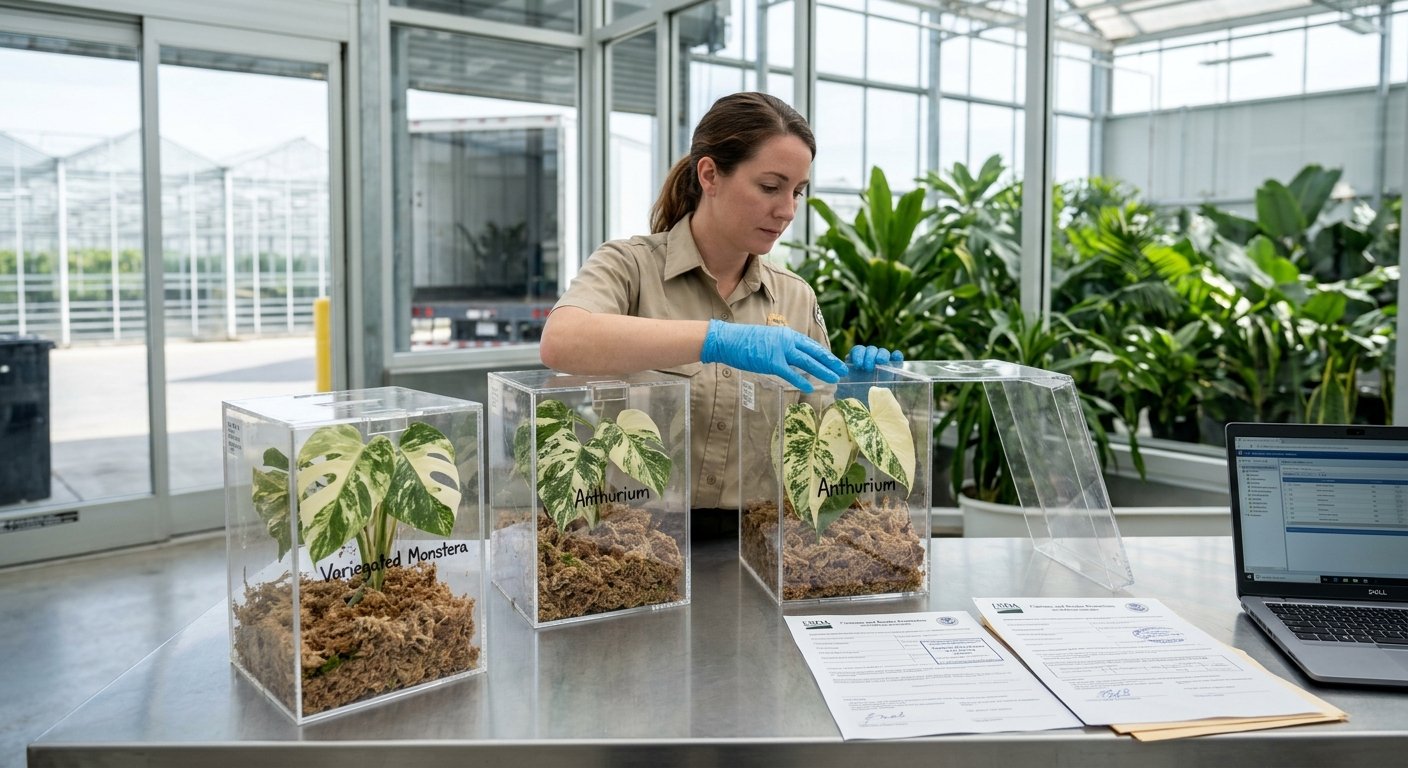
Mastering how to import rare plants to the US requires navigating strict agricultural regulations enforced by federal agencies. Because live plant materials can carry foreign pests, plant pathogens, and invasive insects, the United States Department of Agriculture (USDA) and Customs and Border Protection (CBP) enforce rigorous oversight on every incoming shipment.
Following the correct legal framework for how to import rare plants to the US prevents costly package confiscations, long customs delays, and rejected shipments. By obtaining proper permits, securing phytosanitary certification, and working with experienced international vendors, you ensure your rare green investments arrive healthy. Let us examine the step-by-step import process designed for smooth border clearance.
Table of Contents
- Key Takeaways
- Understanding USDA APHIS Import Regulations
- Required Documentation: Permits and Certificates
- Choosing Bare-Root Options over Soil Media
- Navigating Customs Inspections and Ports of Entry
- Plant Import Compliance Matrix
- 7 Essential Steps on How to Import Rare Plants to the US Safely
- Conclusion
- Frequently Asked Questions
Key Takeaways
- Apply for a USDA PPQ 587 Permit: Most live plants and propagation materials require an official import permit before ordering.
- Secure a Phytosanitary Certificate: The exporting country’s agricultural authority must inspect and certify that plants are free of pests.
- Ship Bare-Root Only: Soil and traditional organic growing media are strictly prohibited to prevent pest contamination.
- Comply with CITES Regulations: Rare protected species require specialized wildlife trade documentation to avoid legal penalties.
- Monitor Tracking Closely: Respond immediately if customs or agricultural inspectors request additional information regarding your shipment.
Understanding USDA APHIS Import Regulations
Compliance forms the bedrock when learning how to import rare plants to the US legally and securely.
The Animal and Plant Health Inspection Service (APHIS), a division of the USDA, regulates all plant imports under the Plant Protection Act.
These strict rules protect domestic agriculture, forestry, and natural ecosystems from devastating foreign pests and plant diseases.
Failing to secure required paperwork before placing an international order often results in immediate destruction or return of the package.
Required Documentation: Permits and Certificates
Securing paperwork is the most critical phase of figuring how to import rare plants to the US.
1. USDA PPQ 587 Permit
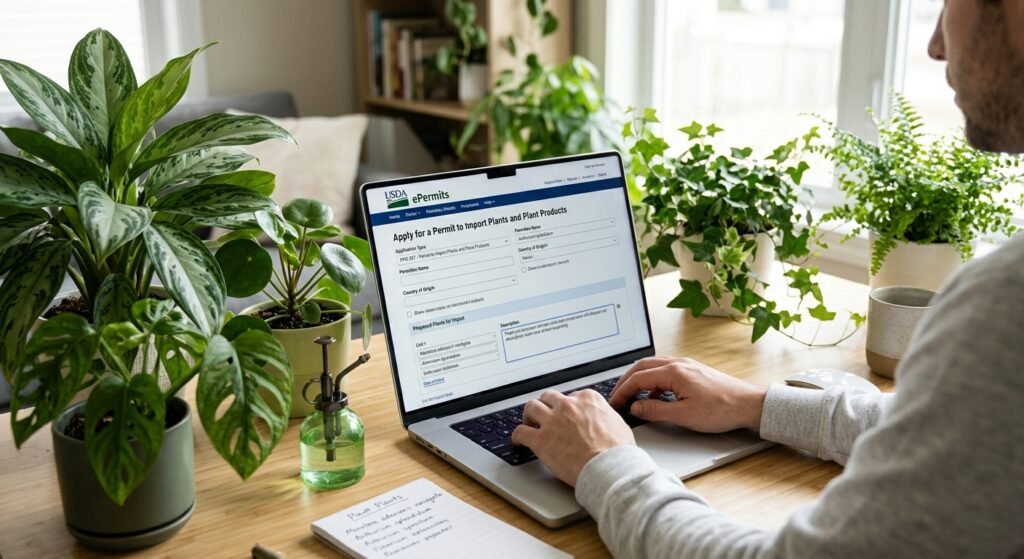
An official Application for Permit to Import Plants or Plant Products must be filed online through the APHIS ePermits system.
2. Phytosanitary Certificate
Issued by the agricultural department in the country of origin, this document verifies that plants passed inspection and are disease-free.
3. CITES Documentation
Certain rare species (such as specific orchids or protected cacti) require Convention on International Trade in Endangered Species permits.
Choosing Bare-Root Options over Soil Media
Soil restrictions play a massive role when figuring how to import rare plants to the US without incident.
The USDA strictly prohibits importing live plants rooted in standard soil or organic growing media due to high hidden pest risks.
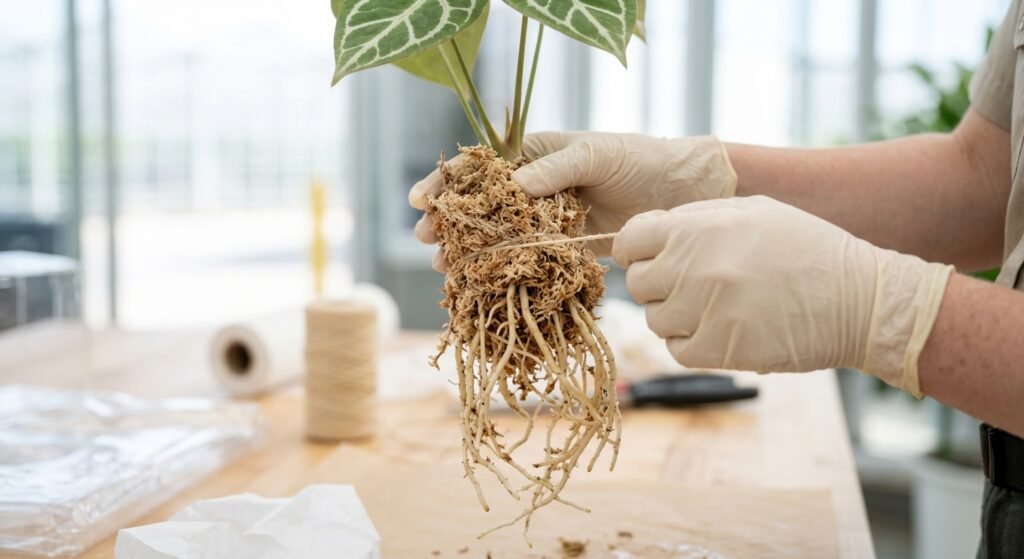
International sellers must wash root systems completely clean, wrapping them safely in damp sphagnum moss, tissue paper, or perlite.
Any package arriving with unauthorized dirt or heavy potting soil faces immediate rejection at the port of entry.
Navigating Customs Inspections and Ports of Entry
Understanding border processing is essential when learning how to import rare plants to the US.
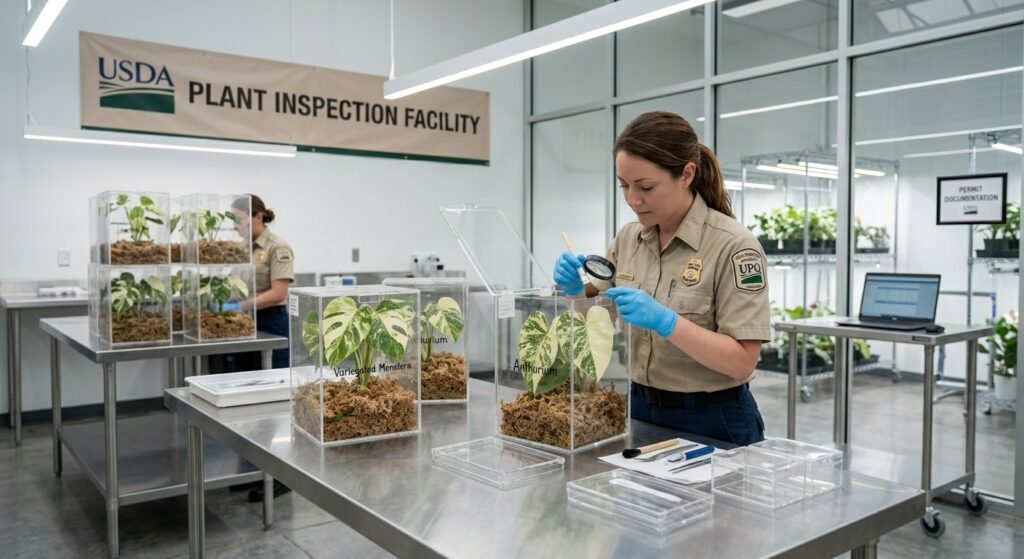
All international agricultural shipments route through designated APHIS-approved ports of entry for physical inspection.
Customs and Border Protection (CBP) officers examine accompanying paperwork and inspect foliage for hidden insect pests.
If inspectors discover pests or missing documents, shipments undergo mandatory treatment, quarantine, or disposal at the importer’s expense.
Plant Import Compliance Matrix
The comparison table below outlines mandatory documentation and compliance parameters for safe importation:
| Requirement Document | Issuing Agency | Purpose | Mandatory Status |
| USDA PPQ 587 Permit | USDA APHIS | Authorizes entry of plant propagation material | Required for most live plants |
| Phytosanitary Certificate | Origin Country Ag Dept | Certifies plants are pest-free | Mandatory for live shipments |
| Commercial Invoice | Exporting Nursery | Details item valuation and species list | Required for customs clearance |
| CITES Permit | Fish & Wildlife Service | Regulates endangered species trade | Required for protected species only |
| Bare-Root Preparation | International Seller | Eliminates soil-borne pathogens | Mandatory across all shipments |
7 Essential Steps on How to Import Rare Plants to the US Safely
Follow this step-by-step diagnostic flowchart to execute a successful legal plant import:
             [Determine Species Import Eligibility]
                              |
         +--------------------+--------------------+
         |                                         |
[Permitted Plant Species]               [Restricted / Prohibited]
         |                                         |
(Apply for USDA Permit)                 (Cancel Order / Do Not Import)
         |                                         |
         v                                         v
Secure Phytosanitary Cert,              Ensure zero soil media,
ship via express air courier            clear customs inspection
1. Verify Species Import Eligibility
Check the USDA APHIS database to confirm your desired rare plant species is legally allowed into the United States.
2. Apply for a USDA PPQ 587 Permit
Submit your permit application early through the APHIS ePermits portal, allowing several weeks for processing.
3. Partner with Certified International Nurseries
Source plants from experienced international growers who routinely provide valid phytosanitary certificates.
4. Ensure Bare-Root Packaging
Instruct the exporter to wash all soil completely from root balls and pack roots in clean sphagnum moss.
5. Include All Shipping Paperwork Securely
Attach copies of your USDA permit, phytosanitary certificate, and commercial invoice securely to the outside of the box.
6. Track and Respond to Customs Prompts
Monitor tracking numbers daily and reply immediately to any requests for information from customs or agricultural officers.
7. Inspect and Quarantine Upon Arrival
Unbox your new arrivals, wash foliage gently, pot them in fresh aroid mix, and isolate them from other houseplants for two weeks.
Conclusion
Mastering how to import rare plants to the US relies on obtaining proper USDA permits, securing phytosanitary certificates, and ensuring bare-root compliance. By following federal regulations and partnering with trusted global nurseries, you can safely bring stunning exotic specimens into your indoor garden.
Plan your next rare plant acquisition today, apply these 7 essential steps, and grow your collection with confidence!
Frequently Asked Questions
Do I need a permit to import a single houseplant into the US?
Yes, legally speaking, most live plants, cuttings, and propagation materials require a USDA PPQ 587 import permit regardless of shipment size.
Can I import plants with soil attached to the roots?
No, importing plants in soil or traditional organic growing media is strictly prohibited due to the risk of introducing foreign soil-borne agricultural pests and diseases.
What happens if my imported plant shipment arrives without a phytosanitary certificate?
Shipments arriving without valid phytosanitary certificates are typically detained, rejected, or destroyed by US agricultural inspectors at the port of entry.





One Comment