Self-Watering Planters: 7 Best Balcony Secrets
Self-watering planters are the ultimate innovative solution every US urban plant enthusiast needs to maintain consistent soil moisture on a busy apartment balcony. Balcony containers are notorious for drying out rapidly under intense sun and wind exposure, often leaving plants dehydrated and stressed.
Mastering how self-watering planters function allows you to automate daily hydration through ingenious sub-irrigation reservoirs located beneath the root zone. Instead of guessing watering schedules or dealing with parched foliage, utilizing capillary action provides a reliable, steady water supply directly to plant roots.
Implementing expert guidelines for self-watering planters ensures your high-rise botanical collection stays vibrant, pest-free, and remarkably productive. Let us explore the core science of reservoir mechanics, top container benefits, and a foolproof 7-step balcony setup framework tailored for modern US households.
Table of Contents
- Key Takeaways
- The Science of Sub-Irrigation and Capillary Action
- Top Benefits Over Traditional Pots for Balconies
- Step-by-Step Reservoir Filling and Soil Setup
- Self-Watering Planters Comparison Matrix
- 7 Best Secrets to Use Self-Watering Planters on a Balcony Successfully
- Avoiding Root Rot and Stagnant Water Risks
- Conclusion
- Frequently Asked Questions
Key Takeaways
- Automate Hydration: Sub-irrigation reservoirs draw water upward continuously, reducing watering frequency from daily to weekly intervals.
- Prevent Root Dehydration: Constant moisture availability stops severe wilting and eliminates dry hydrophobic soil pockets.
- Encourage Deep Roots: Plants develop strong root systems extending downward toward the moist lower soil zones.
- Conserve Water Use: Enclosed reservoirs prevent water runoff and evaporation, maximizing efficiency during hot summer months.
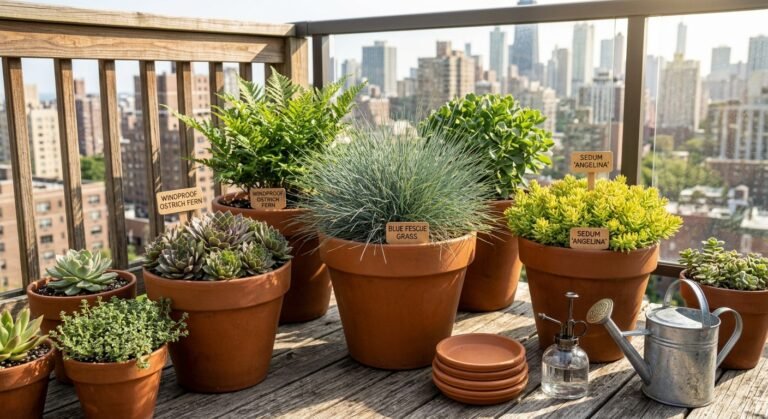
- Match Plant Preferences: Ideal for moisture-loving vegetables and herbs, though desert succulents prefer traditional fast-drying clay pots.
The Science of Sub-Irrigation and Capillary Action
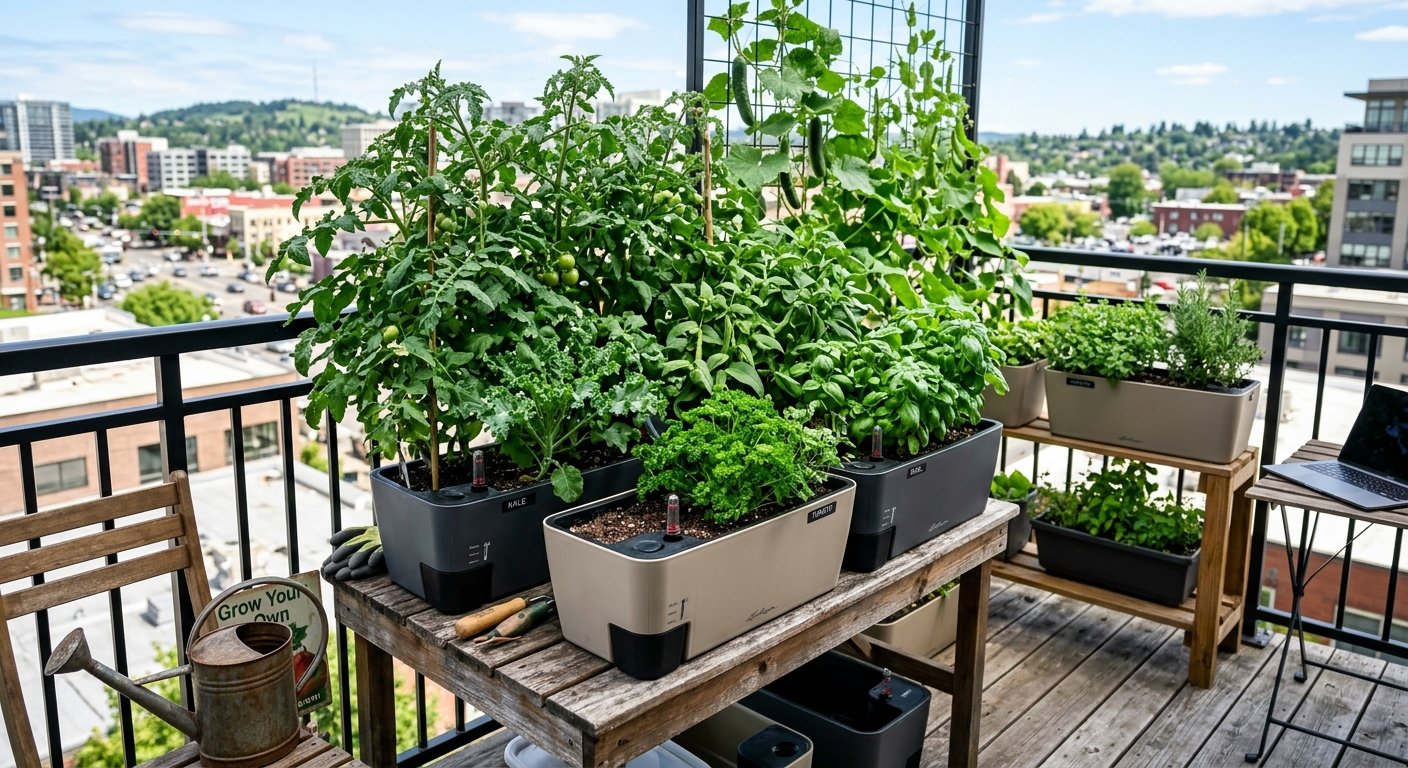
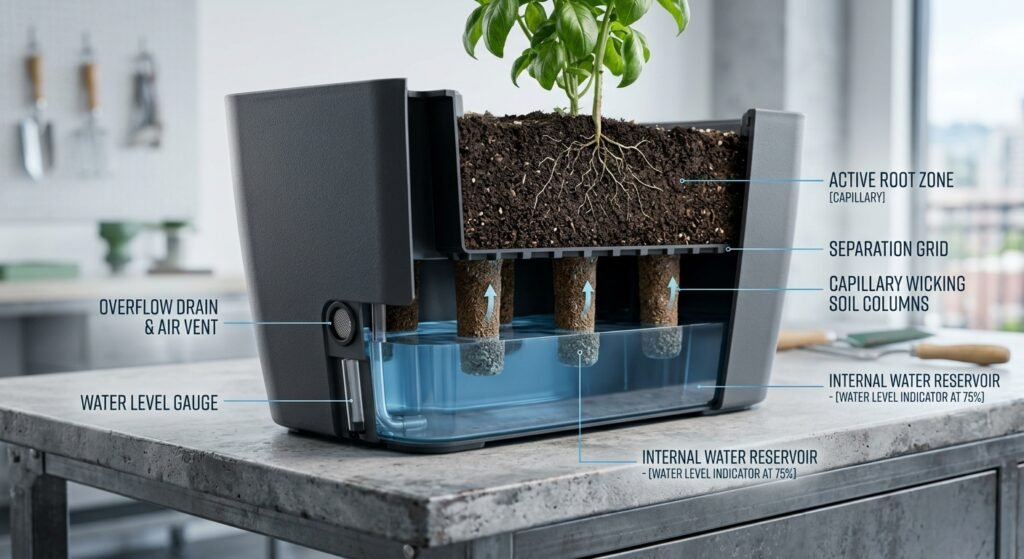
Understanding the mechanics of self-watering planters starts with examining how water moves upward from a hidden base reservoir into the root zone.
A built-in plastic platform separates the lower water storage tank from the upper potting soil, creating an aerated air gap.
Porous potting mix acts as a wick, drawing water upward via capillary action to keep plant roots evenly hydrated without waterlogging.
Top Benefits Over Traditional Pots for Balconies
Evaluating self-watering planters reveals massive advantages for urban gardeners managing exposed, high-wind apartment balconies.
Traditional top-watered pots lose moisture instantly to dry air, requiring constant attention during peak summer heat waves.
Sub-irrigation tanks store gallons of water safely away from wind evaporation, keeping container gardens thriving while you travel.
Step-by-Step Reservoir Filling and Soil Setup
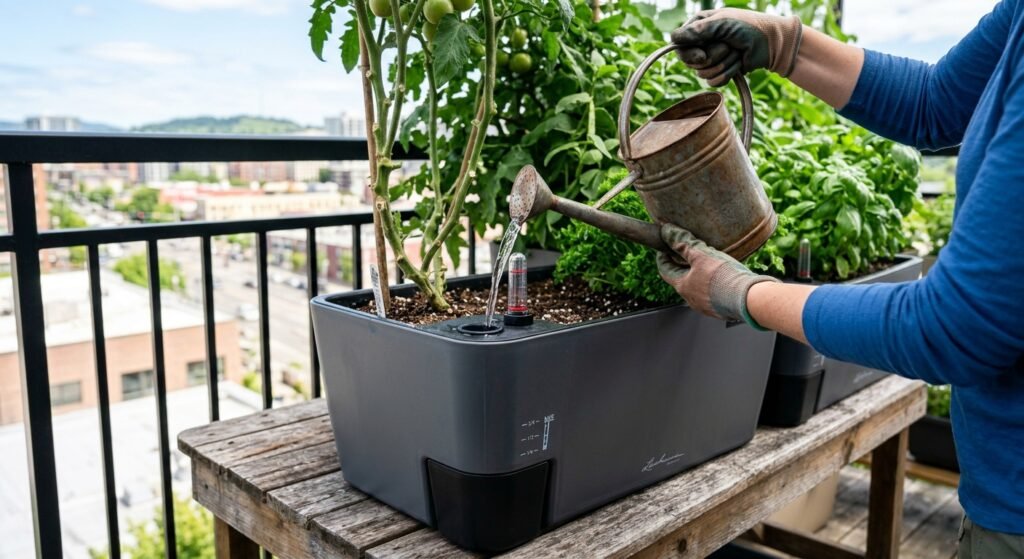
Learning how to operate self-watering planters properly begins with mastering initial soil packing and water tube filling techniques.
Fill the upper planting chamber with a loose, highly absorbent potting mix, pressing it slightly into the wicking cups to initiate water draw.
Pour water directly down the external fill tube until the internal overflow spout drips, signaling that the lower tank is full.
Self-Watering Planters Comparison Matrix
The comparison table below outlines reservoir capacities, watering frequencies, and ideal crop matches for balcony containers:
| Container Type | Reservoir Capacity | Refill Frequency | Soil Aeration Level | Best Plant Match |
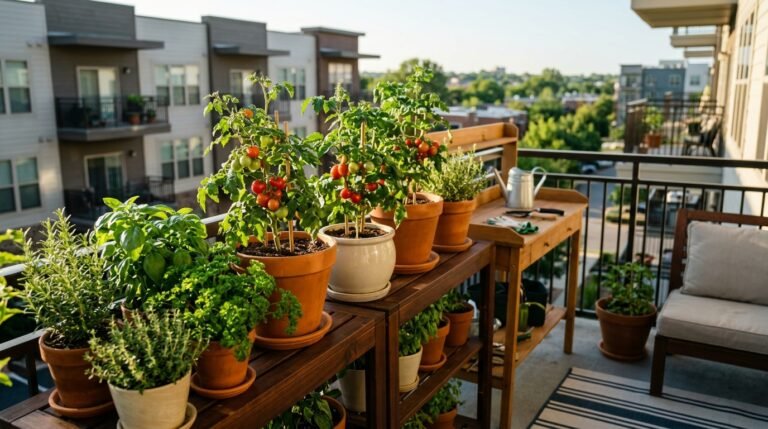
| Large Patio Trough | 3.5 Gallons | Every 7 to 10 Days | High (Built-in Air Gap) | Tomatoes & Peppers |
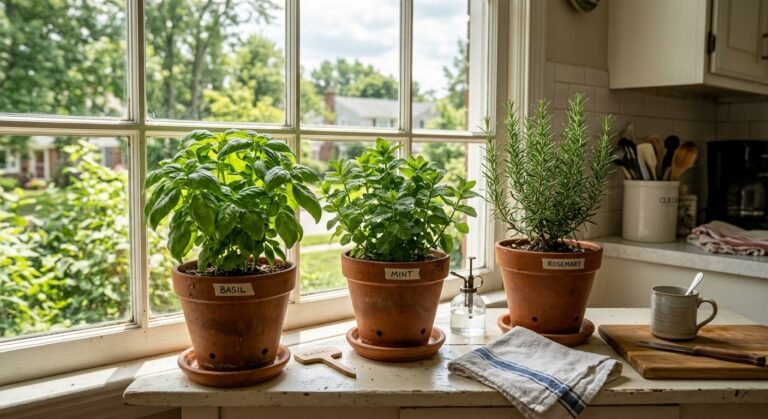
| Hanging Railing Box | 1.0 Gallon | Every 3 to 5 Days | Moderate | Trailing Herbs & Flowers |
| Traditional Clay Pot | Zero (None) | Daily in Summer | Maximum Porosity | Arid Desert Succulents |
| Standard Plastic Pot | Zero (None) | Every 1 to 2 Days | Low | General Indoor Foliage |
7 Best Secrets to Use Self-Watering Planters on a Balcony Successfully
Follow this comprehensive framework to successfully integrate self-watering planters into your urban apartment balcony garden:
               [Select Quality Sub-Irrigation Planters]
                             |
         +-------------------+-------------------+
         |                                       |
[Pack Wicking Cups Firmly With Soil]     [Fill Lower Tank Via Access Tube]
         |                                       |
(Establish continuous capillary action)  (Store adequate moisture safely below)
         |                                       |
         v                                       v
Plant moisture-loving vegetables/herbs,  Monitor reservoir levels weekly,
enjoy effortless balcony plant care      enjoy thriving high-yield urban crops
1. Select High-Quality Sub-Irrigation Pots
Choose durable, UV-resistant commercial planters featuring sturdy internal water separation platforms and fill tubes.
2. Pack Wicking Cups Firmly With Soil
Press moist potting mix tightly into the container’s wicking chambers to ensure uninterrupted upward water movement.
3. Fill the Reservoir Completely
Add water through the designated fill tube until the overflow hole drains, ensuring the lower tank reaches max capacity.
4. Plant Moisture-Loving Crops
Cultivate thirsty balcony crops like tomatoes, bell peppers, lettuce, and basil that thrive on consistent hydration.
5. Top-Water Initial Seedlings
Water newly planted seeds or young transplants from the top for the first two weeks until deep roots establish.
6. Flush Soil Top Surface Monthly
Run fresh water through the top of your containers once a month to wash away accumulated mineral salt deposits.
7. Drain and Clean Before Winter Freezes
Empty water reservoirs entirely before freezing winter temperatures arrive to prevent plastic cracking and frost damage.
Avoiding Root Rot and Stagnant Water Risks
Managing self-watering planters requires vigilance against leaving water sitting stagnant in lower reservoirs for excessively long periods.
Ensure your planters feature functional overflow drainage holes so excess rainwater during heavy storms escapes immediately.
Allow the reservoir to empty completely for a day or two between refills to provide necessary oxygen to plant root zones.
Conclusion
Mastering the use of self-watering planters empowers you to maintain consistent plant hydration, eliminate guesswork, and harvest abundant crops on your urban balcony. By harnessing sub-irrigation reservoir technology and proper soil wicking, you can achieve exceptional gardening success with minimal effort.
Review your balcony space today, apply these 7 best container secrets, and enjoy your flourishing automated urban garden!
Frequently Asked Questions
Are self-watering planters worth the investment for a balcony?
Yes, they save significant time, prevent drought stress, and reduce water evaporation, making them ideal for busy urban balcony gardeners.
Do self-watering containers cause root rot in plants?
They do not cause root rot if used with proper potting mix and functional overflow drainage holes that prevent water stagnation.
Can I grow all types of plants in self-watering planters?
Most vegetables, herbs, and tropical flowers thrive wonderfully, but desert cacti and succulents prefer traditional fast-drying clay pots.