
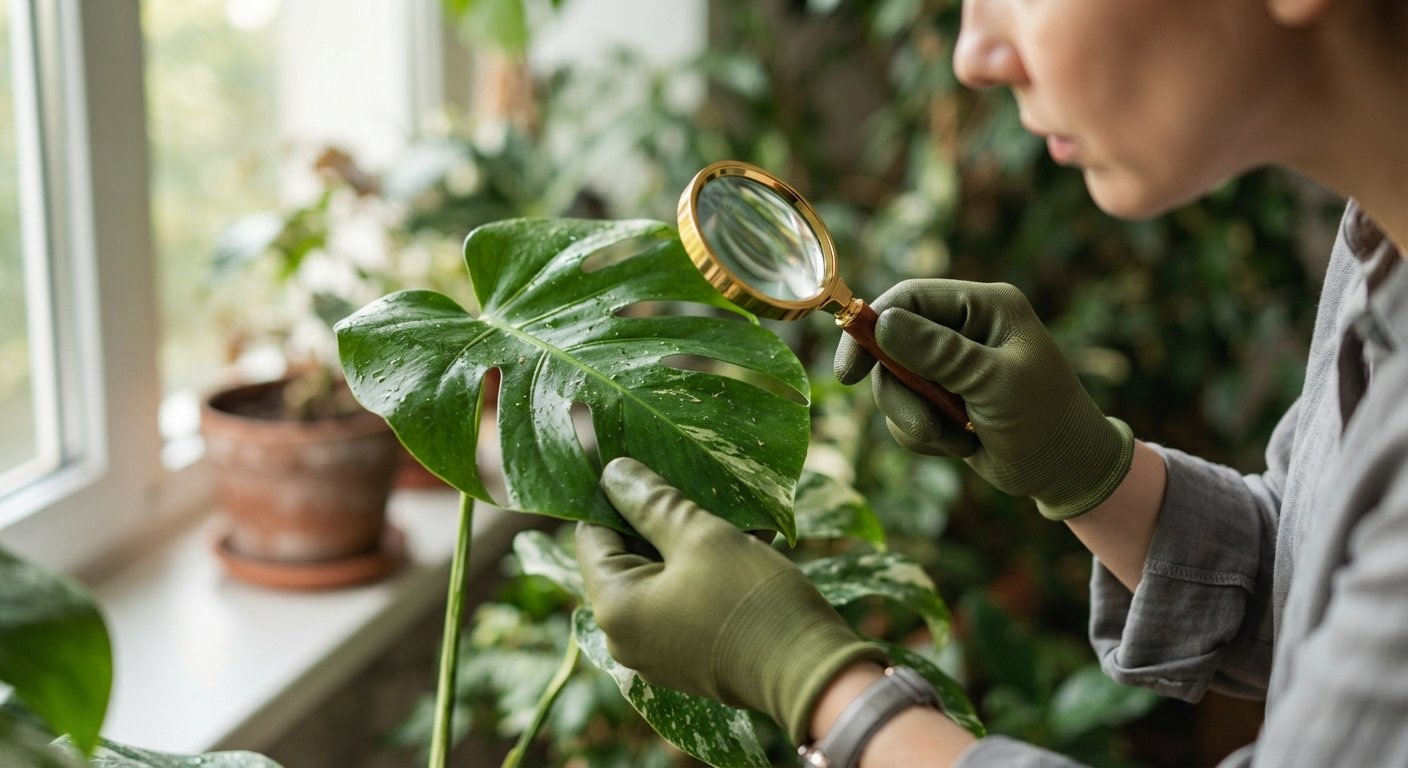
Inviting greenery into your living space brings unmatched vitality, but unexpected bug infestations can quickly turn your hobby into a stressful ordeal. Effective Indoor Pest Control is essential to keeping your prized houseplants safe from destructive organisms that compromise plant health. Whether you are dealing with buzzing insects in the soil or sticky webs along the stems, understanding how to target specific invaders is crucial. Mastering proper Indoor Pest Control strategies ensures your indoor ecosystem stays thriving and vibrant.
Key Takeaways
- Identify the Invader: Different bugs require distinct treatments; misidentifying pests can waste valuable time and harm your plants.
- Moisture Management: Fungus gnats thrive in overly wet topsoil, making proper watering habits your first line of defense.
- Early Intervention: Quarantining new or infected plants immediately prevents localized bugs from spreading across your entire collection.
- Targeted Solutions: Utilizing insecticidal soaps, neem oil, or biological controls provides safe, organic eradication without harsh chemicals.
Why Houseplant Pests Multiply Indoors
Without natural outdoor predators like ladybugs or parasitic wasps to keep populations in check, indoor bugs can multiply rapidly under stable home conditions. Recognizing early warning signs is the cornerstone of successful plant management. [Internal Link: Insert relevant internal URL here with anchor text about indoor plant care basics]
Tackling the Top Three Houseplant Pests
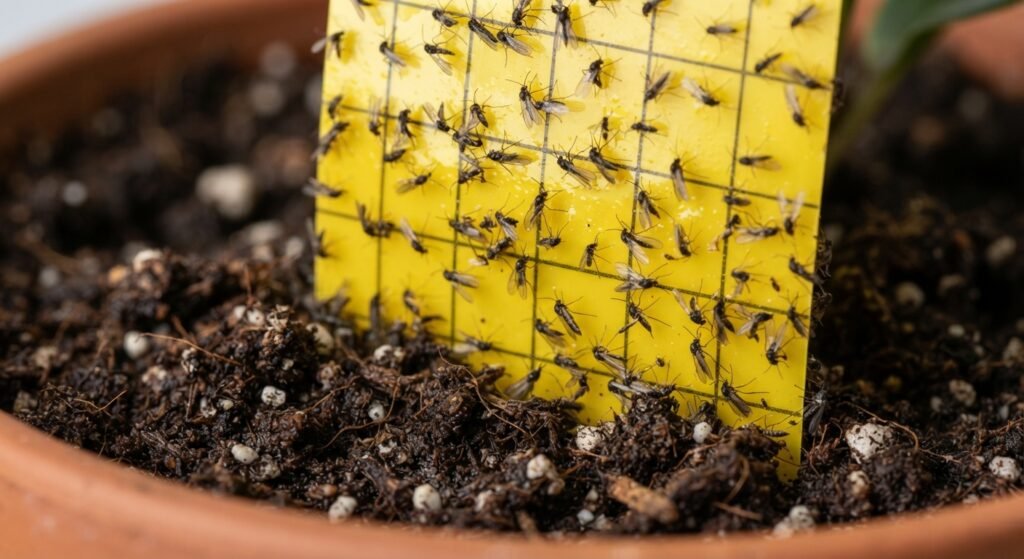
1. Eliminating Fungus Gnats in Wet Soil
These tiny, mosquito-like flies buzz around potting surfaces while their larvae feed on organic matter and delicate root hairs below.
- The Fix: Allow the top two inches of soil to dry completely between waterings, and apply beneficial nematodes or mosquito dunks to kill larvae.
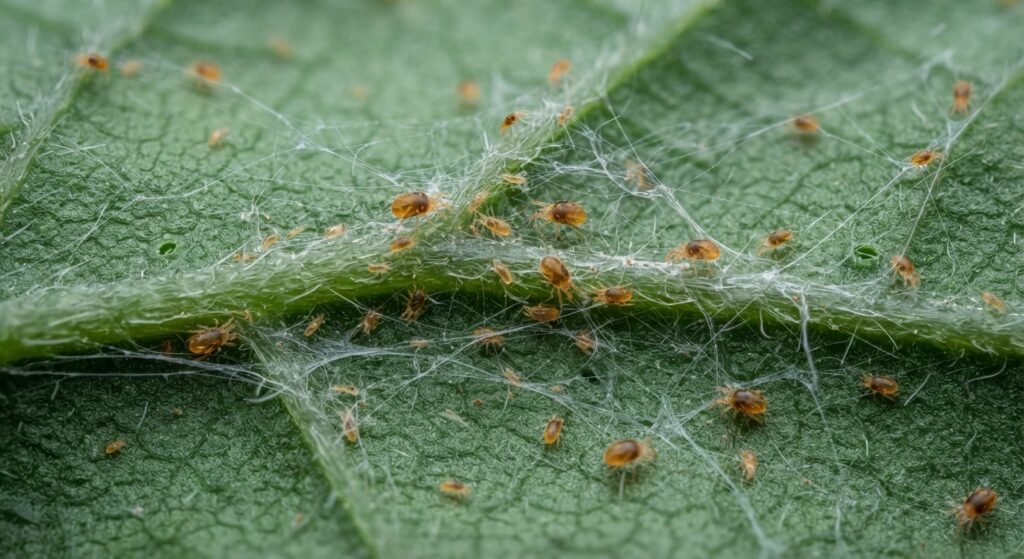
2. Eradicating Spider Mites on Dry Foliage
Thriving in warm, dry indoor air, spider mites spin fine webs underneath leaves and pierce plant cells, leaving foliage stippled and discolored.
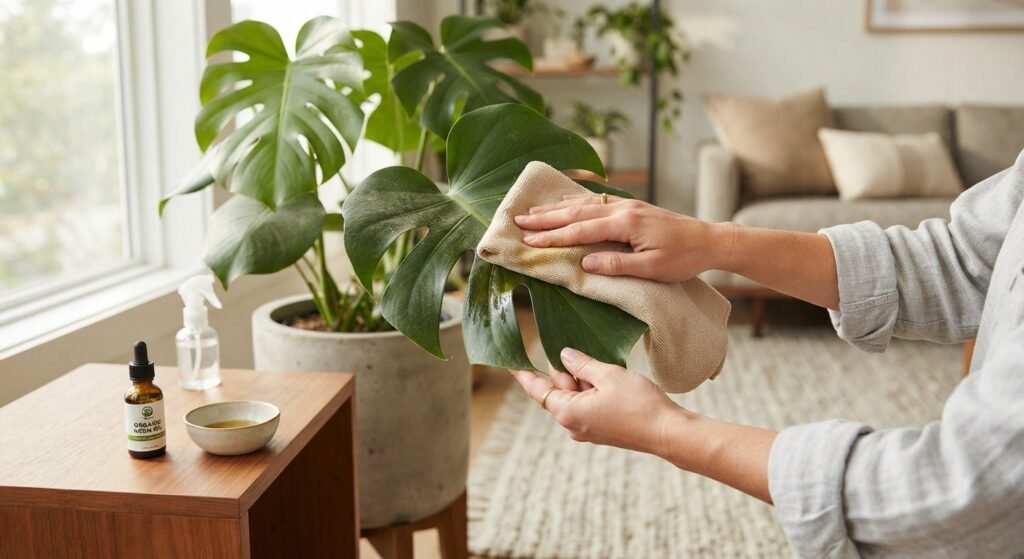
- The Fix: Increase ambient humidity and wipe down affected leaves thoroughly using diluted horticultural neem oil or insecticidal soap.
3. Conquering Cottony Mealybugs
Mealybugs look like small tufts of white cotton and hide in leaf axils and stems, sucking vital plant sap and secreting sticky honeydew. [External Link: Insert high-authority external URL here with anchor text about botanical pest management from Royal Horticultural Society]
- The Fix: Dip a cotton swab in rubbing alcohol and dab individual bugs directly to dissolve their protective waxy outer layers instantly.
Common Pest Diagnostic & Treatment Matrix
| Pest Type | Visual Identification | Primary Damage | Effective Treatment Plan |
| Fungus Gnats | Tiny black flies hovering over soil | Damaged roots from subsurface larvae | Let soil dry; apply mosquito dunks or hydrogen peroxide |
| Spider Mites | Fine webbing and stippled yellow leaves | Chlorosis and weakened vitality | Spray with neem oil; increase room humidity levels |
| Mealybugs | White, cotton-like masses in leaf joints | Sap depletion and sticky honeydew | Spot-treat with rubbing alcohol; apply insecticidal soap |
Conclusion
Mastering Indoor Pest Control transforms everyday maintenance into an effective routine of plant protection. By identifying whether you are fighting gnats, mites, or mealybugs early, you can apply targeted organic solutions before damage becomes irreversible. Consistent monitoring, proper watering habits, and proactive hygiene practices secured through regular Indoor Pest Control guarantee long-term health for your indoor garden.
Frequently Asked Questions
Can I use dish soap to get rid of indoor plant pests?
While mild dish soap diluted in water can work in a pinch, regular dish soaps often contain harsh detergents that strip and burn delicate plant cuticles; specialized insecticidal soap is always safer.
How do I prevent pests from entering my home through new plants?
Always quarantine new plant acquisitions in a separate room for at least two weeks, inspecting both the upper foliage and root soil thoroughly before placing them near your established collection.
Are natural oils safe to use on all indoor houseplants?
Most oils like neem or horticultural oil are safe, but sensitive species like ferns or thin-leaved calatheas can experience leaf burn; always test a small inner leaf first before treating the entire plant.