
Discovering that your prized indoor greenery is suffering from underground decay can be heartbreaking for any plant parent. Implementing an effective Root Rot Treatment immediately is critical to reversing severe waterlogging and fungal damage before it destroys the entire specimen. Understanding how to diagnose, clean, and rehabilitate compromised root structures gives your houseplants a fighting chance at total recovery. Executing proper Root Rot Treatment procedures ensures your indoor collection remains healthy and resilient.
Key Takeaways
- Primary Cause: Overwatering and dense, compacted soil prevent oxygen flow, creating a breeding ground for destructive soil fungi.
- Visual Symptoms: Wilting stems, yellowing leaves, and a foul, damp odor emanating from the pot strongly indicate root decay.
- Surgical Pruning: Completely removing dead, brown, and mushy roots with sterilized tools is essential to stop the infection from spreading.
- Fresh Substrates: Replanting recovered specimens into a sterile, chunky, and well-draining soil mix prevents recurrence.
Why Waterlogged Soil Destroys Plant Roots
When pots lack proper drainage or retain moisture for too long, oxygen gets squeezed out of the root zone. Without oxygen, roots suffocate, die, and become vulnerable to opportunistic pathogens like Pythium and Phytophthora. [Internal Link: Insert relevant internal URL here with anchor text about indoor plant care basics]
Step-by-Step Guide to Saving Damaged Roots
1. Unpotting and Gentle Cleaning
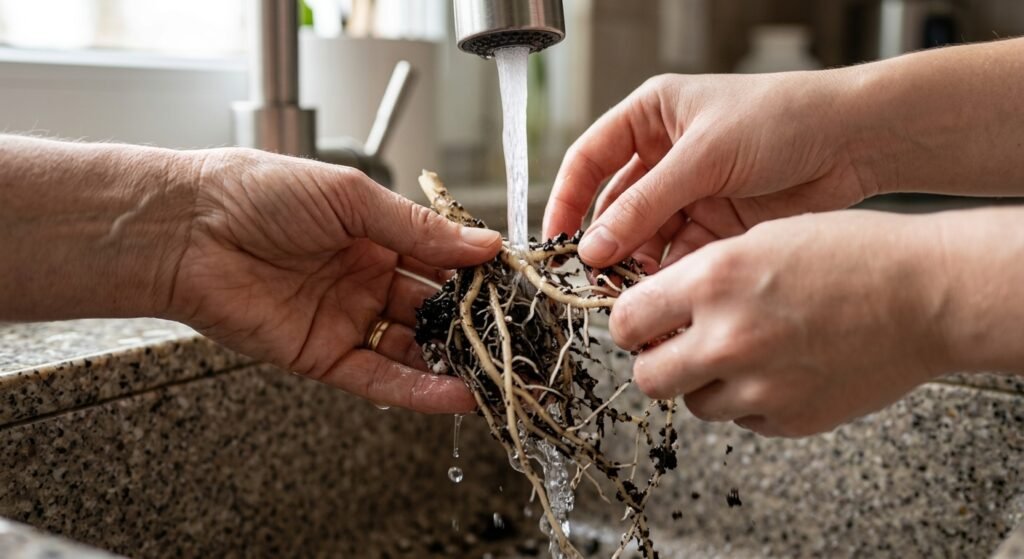
Carefully slide your distressed plant out of its container and gently shake away old, soggy soil from the root ball. Rinse the roots under lukewarm running water to fully expose the extent of the damage.
2. Inspecting and Trimming Infected Tissue
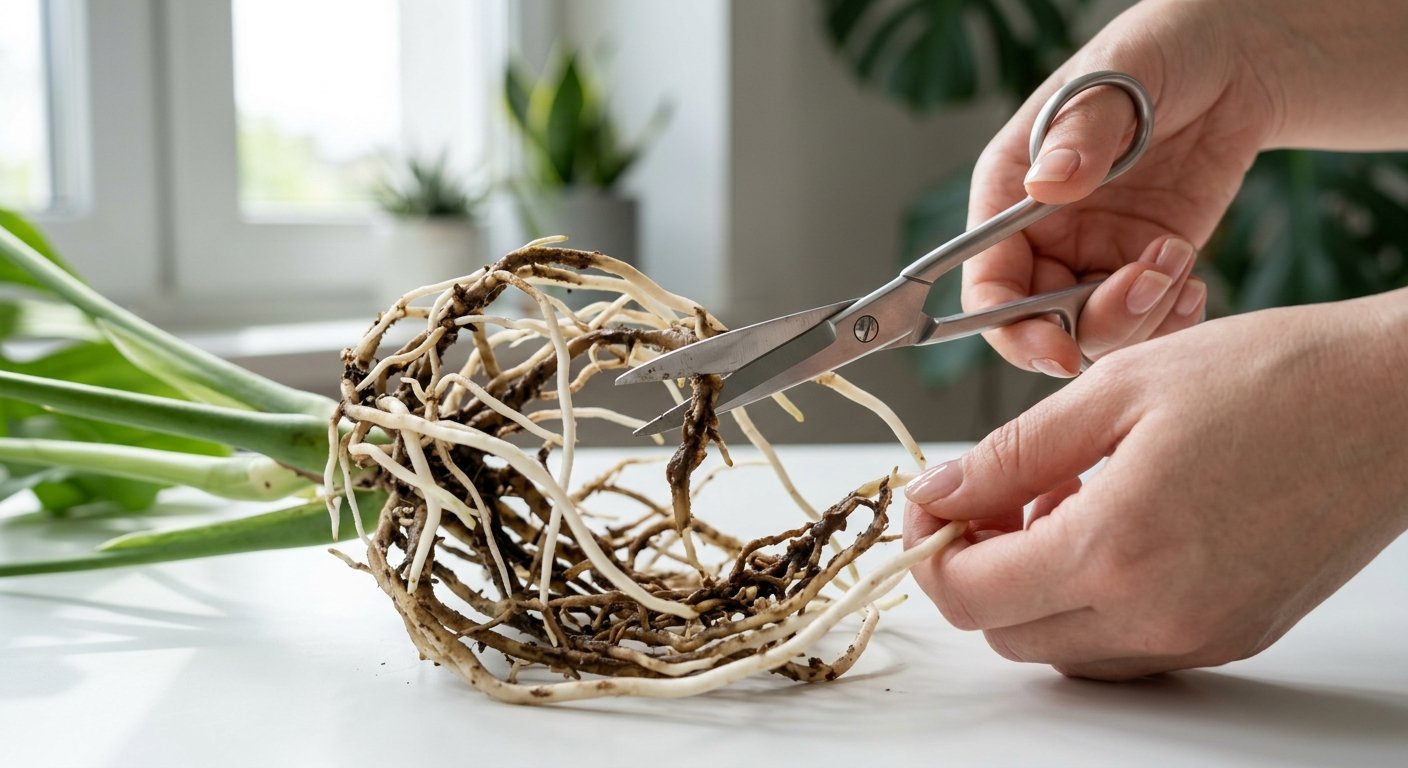
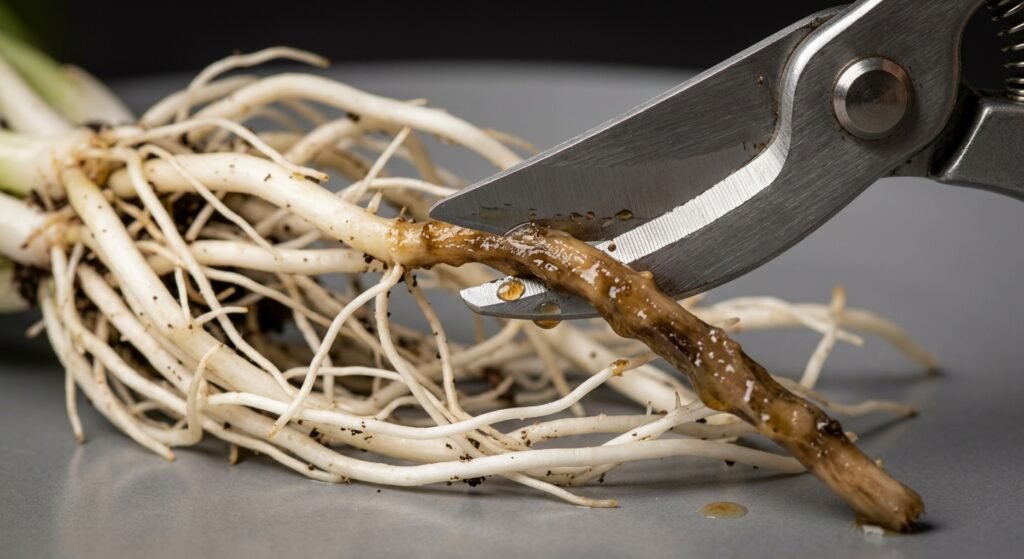
Healthy roots typically feel firm and appear white or light tan. Decayed roots, however, feel limp, hollow, or mushy and look dark brown or black. Use sterilized shears to cut away every trace of infected material.
3. Sterilizing and Repotting
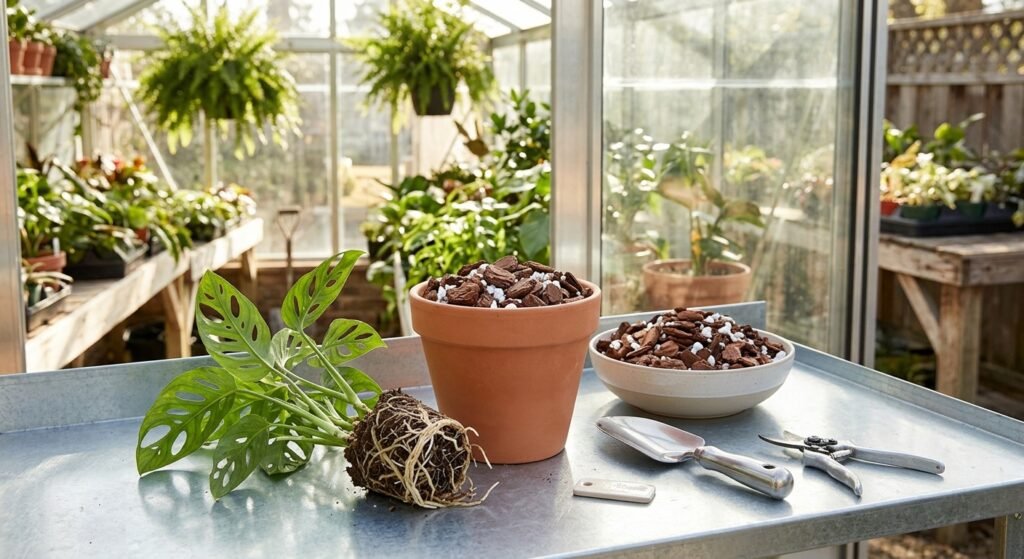
Dip the remaining healthy roots into a mild hydrogen peroxide solution to eliminate residual fungal spores. Repot the plant into a clean container featuring drainage holes, using a fresh, aerated substrate. [External Link: Insert high-authority external URL here with anchor text about botanical plant pathology from Royal Horticultural Society]
Comparative Root Health & Diagnostic Matrix
| Condition Stage | Visual Root Appearance | Foliage Symptoms | Corrective Action Plan |
| Early Stage | Mostly firm with minor brown tips | Slight drooping or lower leaf yellowing | Withhold water; allow soil to dry completely |
| Advanced Rot | Mushy, foul-smelling, dark brown | Widespread chlorosis and severe wilting | Unpot, sanitize, trim dead roots, and repot |
| Total Failure | Completely hollow strands with zero resistance | Total defoliation and stem collapse | Discard plant; sterilize pot thoroughly |
Conclusion
Needing a robust Root Rot Treatment does not spell the end for your favorite indoor plants. By acting swiftly to remove infected tissues, sterilizing the remaining root system, and upgrading to a well-draining substrate, you can successfully reverse waterlogged damage. Diligent watering habits and proper diagnostic monitoring following any Root Rot Treatment guarantee long-term vitality for your indoor garden.
Frequently Asked Questions
Can a plant completely recover from severe root rot?
Yes, as long as a portion of the root system remains firm and white, and the main stem or crown is free from terminal rot, the plant can successfully regenerate.
Should I use hydrogen peroxide during root rehabilitation?
Rinsing trimmed roots with a diluted hydrogen peroxide solution helps oxidize and destroy lingering fungal spores, preventing reinfection after repotting.
How can I prevent root rot from happening again?
Always use pots with bottom drainage holes, let the top few inches of soil dry out between watering sessions, and avoid heavy, moisture-trapping garden dirt.
1 thought on “Ultimate Root Rot Treatment: Save Your Houseplants”