
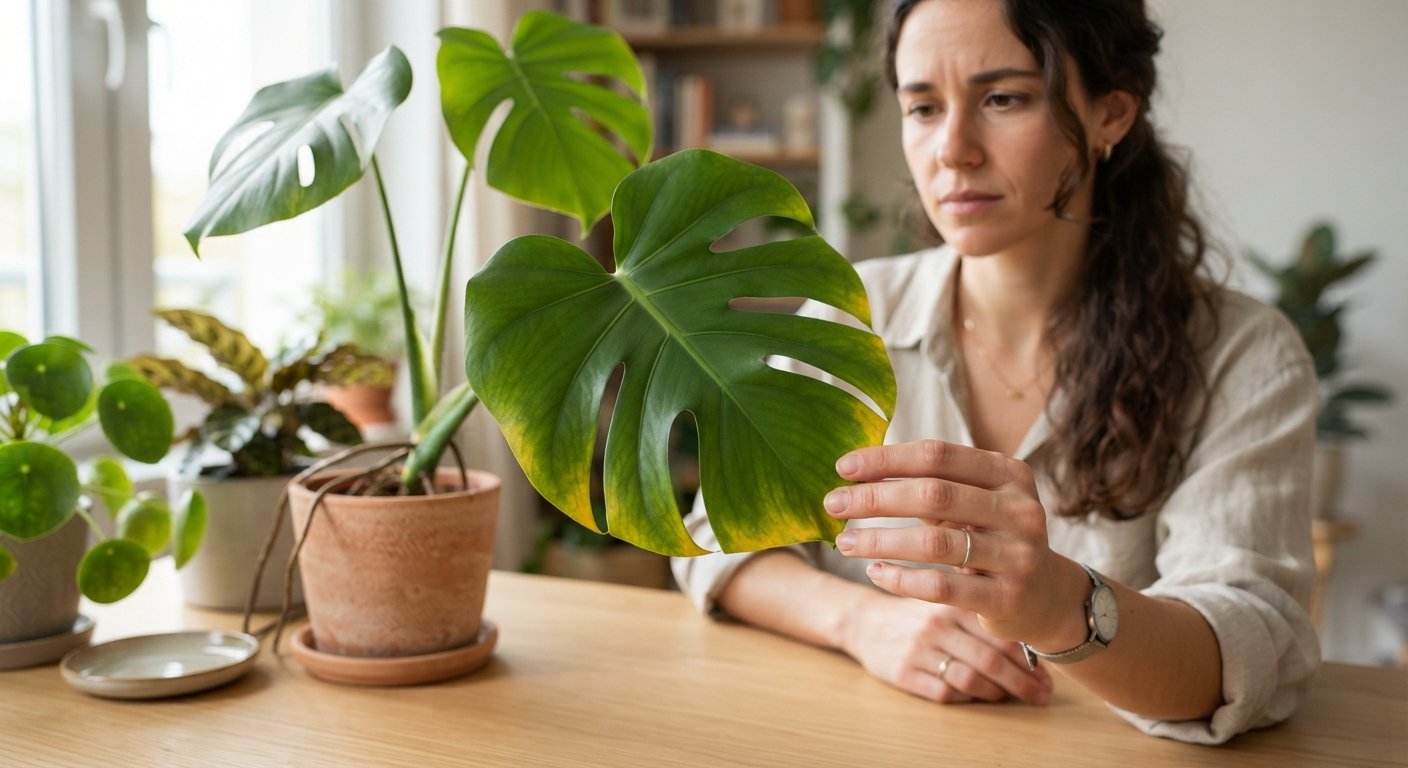
Noticing unexpected discoloration on your indoor greenery can cause immediate panic for any plant parent. Finding Yellow Leaves on Houseplants is one of the most common diagnostic challenges indoor gardeners face, signaling that your green companion is experiencing underlying stress. Understanding the root triggers behind chlorosis allows you to intervene quickly, reverse the damage, and restore your indoor jungle to pristine health. Managing Yellow Leaves on Houseplants effectively requires a close examination of your daily care habits.
Key Takeaways
- Primary Trigger: Overwatering and poor root aeration remain the leading culprits behind widespread leaf yellowing.
- Natural Aging: Lower, older leaves naturally turn yellow and drop off as the plant redirects energy toward fresh new growth.
- Lighting Imbalances: Both extreme darkness and scorching direct sunlight can scorch or bleach delicate foliage.
- Nutrient Deficiencies: A lack of essential minerals like nitrogen or iron often manifests as pale or yellowing leaves.
Why Do Indoor Plant Leaves Turn Yellow?
Chlorosis, the scientific term for the loss of green chlorophyll pigments, occurs when a plant’s biological processes are disrupted. Whether caused by environmental shock, pest infestations, or improper watering habits, interpreting these visual distress signals is key to successful indoor plant management. [Internal Link: Insert relevant internal URL here with anchor text about indoor plant care basics]
Common Causes and Effective Fixes
1. Overwatering and Root Rot
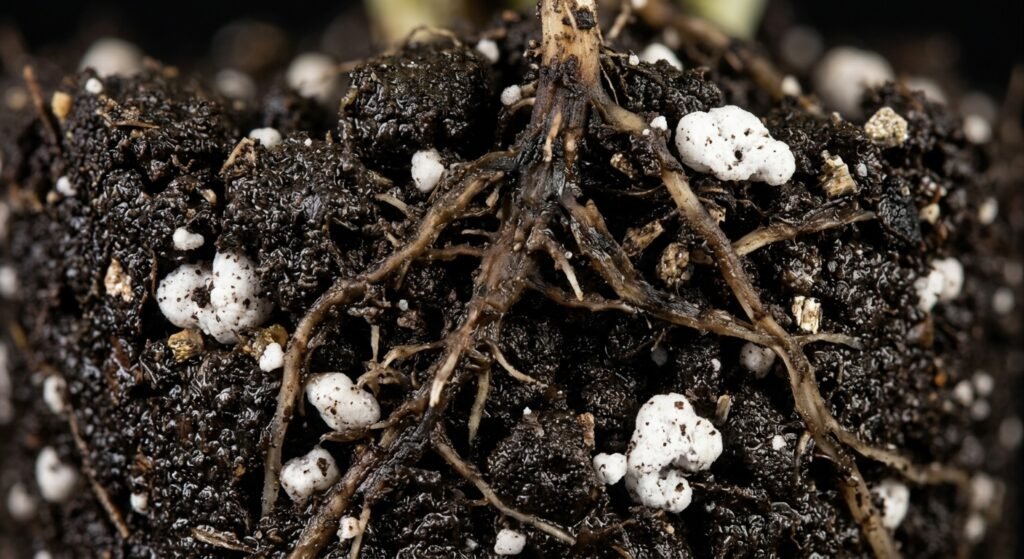
Soggy soil suffocates root systems, preventing them from absorbing vital oxygen and nutrients. When roots rot, they can no longer transport moisture upward, resulting in soft, yellowing leaves.
- The Fix: Let the soil dry completely before watering again, and ensure your pots feature functioning bottom drainage holes.
2. Underwatering and Drought Stress
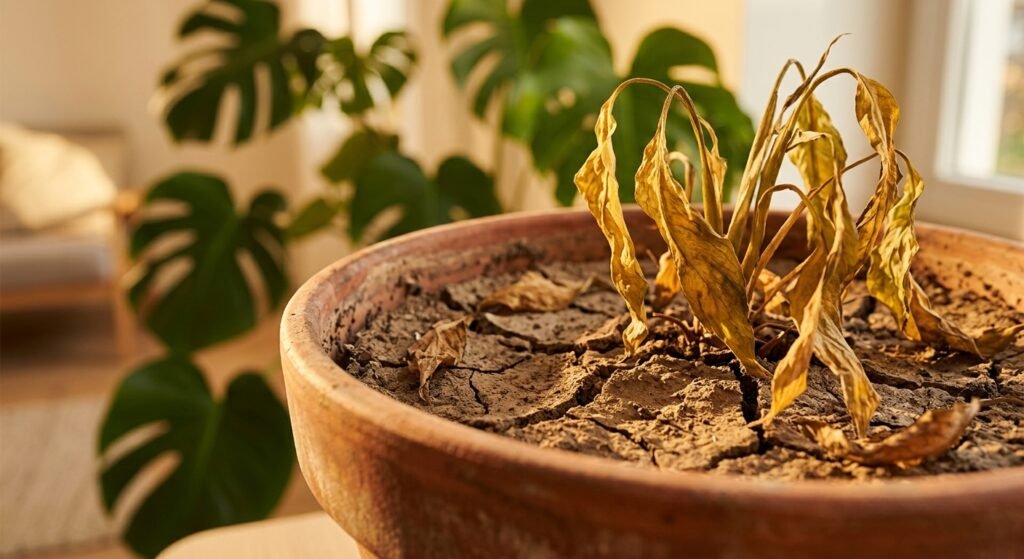
Conversely, chronically dry soil forces a plant to sacrifice its older foliage to conserve moisture for its core stem and upper growth tips.
3. Lighting Deficiencies or Sunburn
Inadequate light slows photosynthesis, causing lower leaves to fade and yellow. Alternatively, sudden exposure to harsh, direct afternoon sun can scorch leaves, turning them pale yellow or translucent white. [External Link: Insert high-authority external URL here with anchor text about botanical plant pathology from Royal Horticultural Society]
Common Yellow Leaf Triggers & Diagnostics
| Symptom / Trigger | Affected Plant Parts | Root Cause | Corrective Action |
| Overwatering | Lower leaves & stems | Root suffocation and fungal rot | Let soil dry completely; improve container drainage |
| Underwatering | Crispy, curling leaves | Severe moisture deficit | Establish a consistent, thorough watering schedule |
| Light Stress | Faded or bleached leaves | Too much direct sun or deep shade | Relocate plant to bright, indirect ambient lighting |
Conclusion
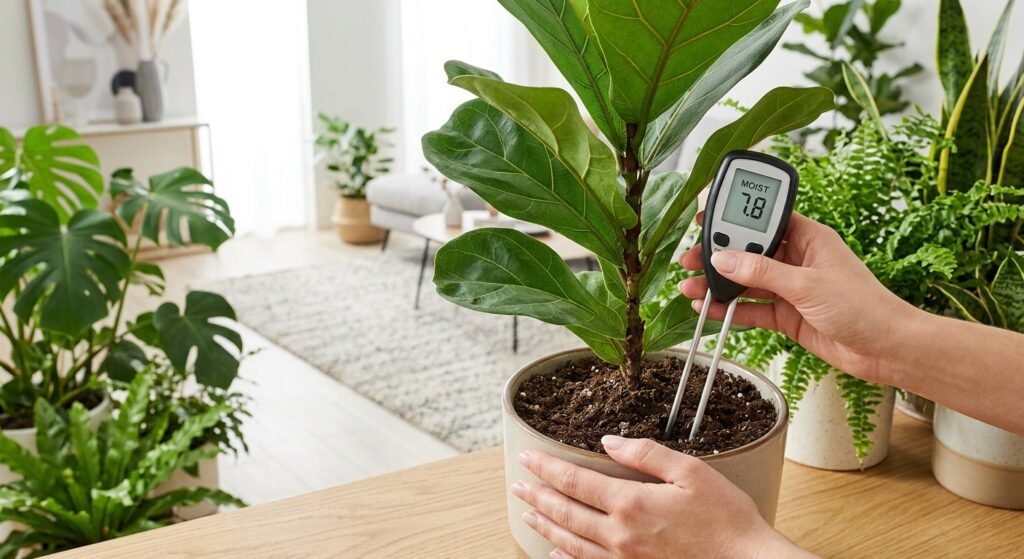
Encountering Yellow Leaves on Houseplants does not mean your gardening journey is over. By carefully evaluating your watering habits, lighting conditions, and soil drainage, you can accurately diagnose the problem and apply targeted solutions. Consistent monitoring and mindful adjustments will keep your indoor foliage vibrant, resilient, and thriving year-round.
Frequently Asked Questions
Should I cut off yellow leaves from my houseplant?
Yes, once a leaf has turned completely yellow, it will not turn green again. Snip it off cleanly near the base with sterilized shears to let the plant redirect its energy toward healthy new growth.
Can pests cause yellow leaves on indoor plants?
Pests like spider mites, mealybugs, and scale insects pierce plant tissue to feed on sap, which frequently results in stippled, speckled, or yellowing leaves.
How do I know if yellow leaves are caused by overwatering or underwatering?
Overwatered yellow leaves typically feel soft, limp, or soggy to the touch, while underwatered leaves feel dry, crispy, and brittle.
1 thought on “Ultimate Yellow Leaves on Houseplants Causes & Fixes”