
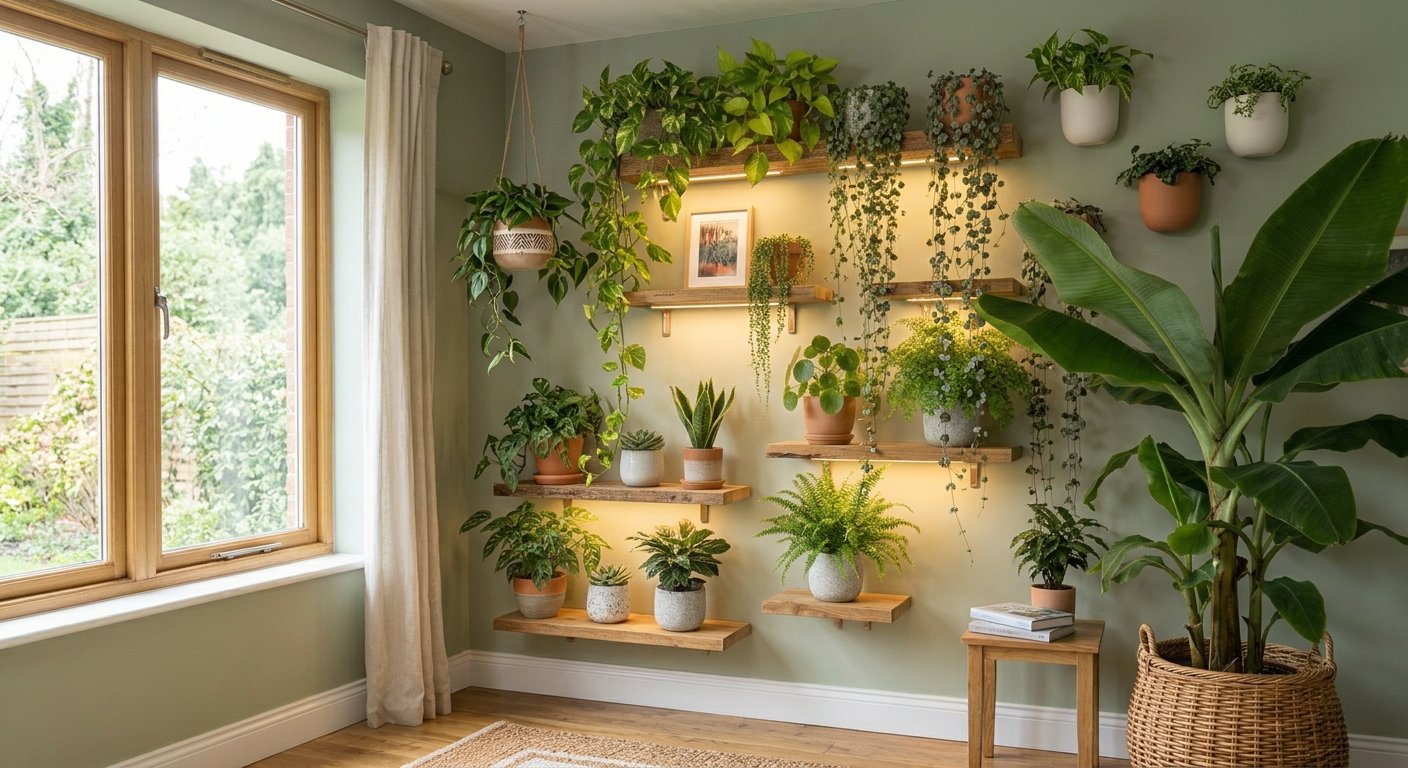
Wall Planters: 7 Ultimate Styles for Indoor Greenery
Wall planters offer an exceptional way to introduce vertical living greenery, natural texture, and architectural elegance into modern homes across the US. Utilizing empty wall space for botanical displays allows indoor gardeners to build lush indoor jungles without cluttering tabletops or taking up valuable floor square footage.
Choosing the right wall planters enables you to turn blank, uninspired walls into stunning living art pieces. Whether your home design leans toward sleek Scandinavian minimalism, industrial urban chic, or cozy bohemian aesthetics, mounting cascading vines on vertical surfaces elevates every room.
Implementing proper installation techniques for wall planters ensures your botanical displays remain secure, protected, and easy to maintain. Let us explore the top planter styles, durable mounting hardware, and expert styling strategies designed to maximize your vertical indoor garden.
Table of Contents
- Key Takeaways
- Why Vertical Wall Planters Transform Interiors
- Top 7 Styles of Wall Planters for Indoor Spaces
- Essential Mounting and Hardware Best Practices
- Selecting the Best Trailing Plants for Wall Mounts
- Wall Planters Comparison Matrix
- 7 Essential Steps to Hang and Style Wall Planters
- Conclusion
- Frequently Asked Questions
Key Takeaways
- Maximize Vertical Space: Use vertical wall surfaces to display lush trailing vines without occupying floor or furniture area.
- Select Lightweight Materials: Choose fiberglass, aluminum, or lightweight ceramic planters to reduce heavy wall load.
- Secure Proper Anchors: Always use rated wall anchors and toggle bolts to support the combined weight of soil and water.
- Match Light Exposure: Mount wall greenery near east or south-facing windows to ensure adequate photosynthetic growth.
- Incorporate Drainage Solutions: Ensure wall-mounted pots feature inner nursery liners or saucers to prevent water leaks.
Why Vertical Wall Planters Transform Interiors
Incorporating wall planters into your home decor breaks up the visual monotony of flat drywall and rigid furniture arrangements.
As cascading foliage spills downward, it softens sharp structural angles and draws the human eye upward, making rooms feel taller and more expansive.
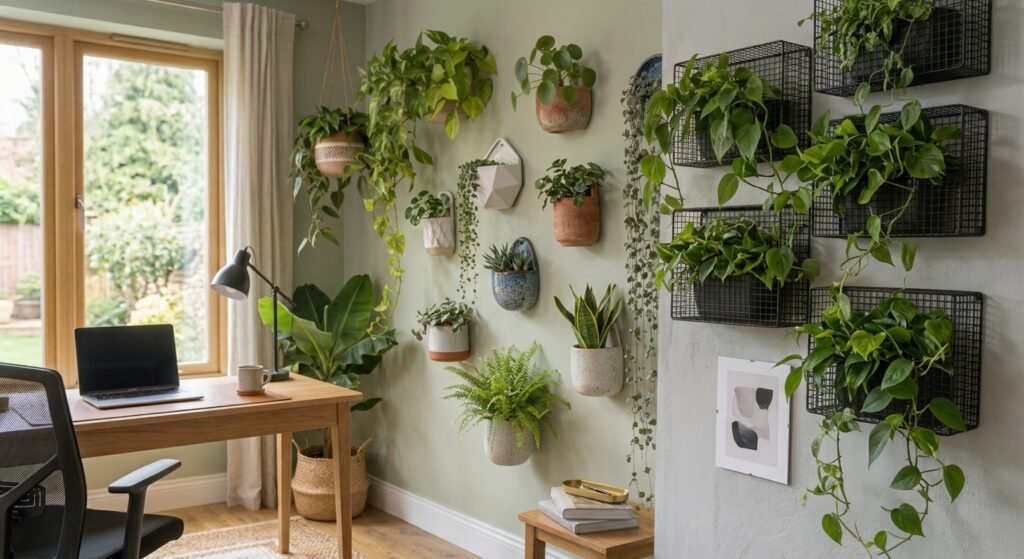
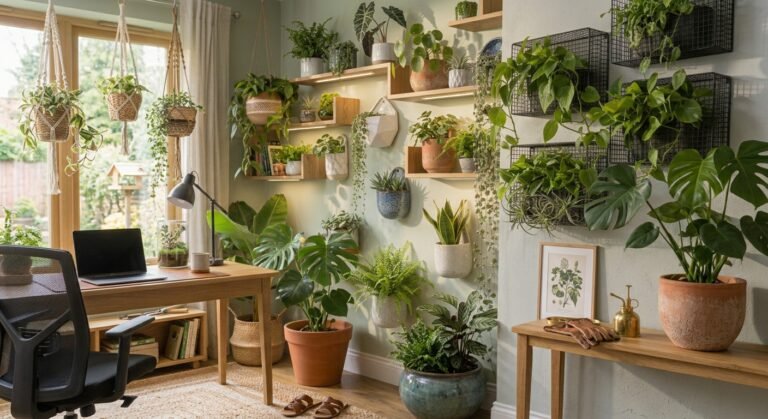
Grouping multiple wall-mounted vessels together creates curated, professional botanical vignettes that serve as striking statement focal points.
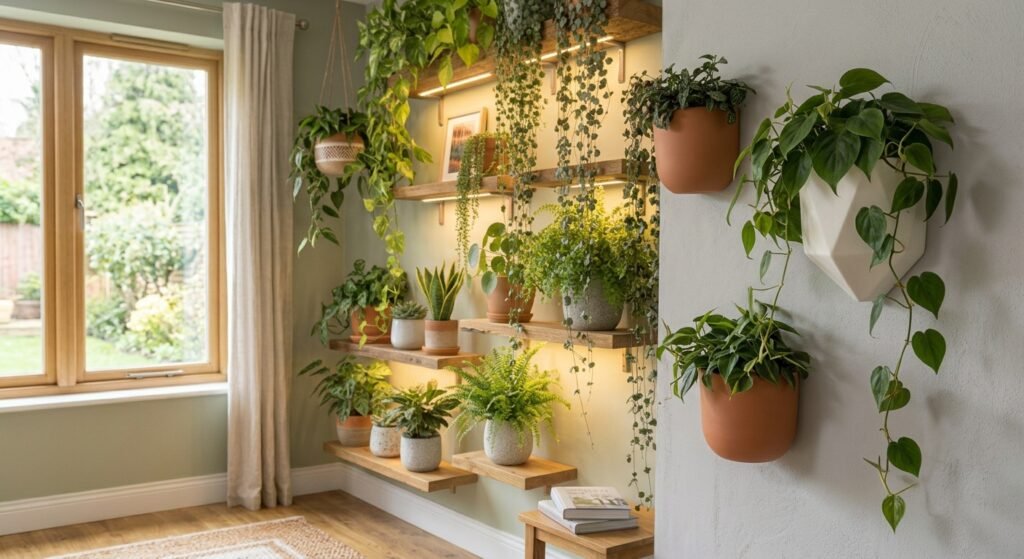
Top 7 Styles of Wall Planters for Indoor Spaces
Choosing the right design ensures your wall planters complement your overall interior aesthetic while supporting healthy plant growth.
1. Minimalist Ceramic Pocket Planters
Sleek, half-circle ceramic pockets that mount flush against drywall, perfect for compact spaces and modern apartments.
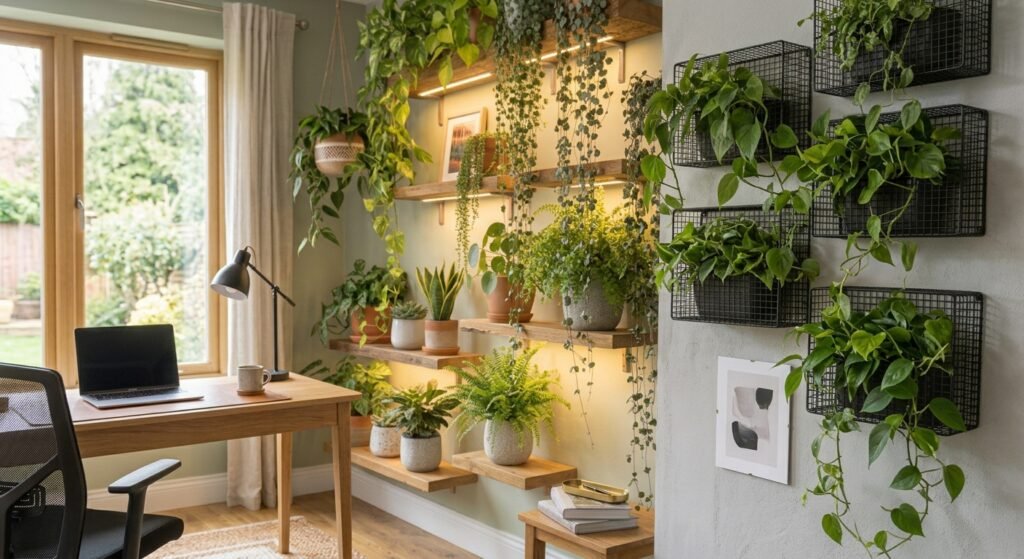
2. Geometric Metal Wire Holders
Industrial-style iron frames holding removable glass or ceramic pots, adding architectural edge to office and living areas.
3. Macrame Wall Hanging Pockets
Woven cotton cord pockets that suspend potted greenery gracefully against bedroom and sunroom walls.
4. Modular Living Wall Panels
Interlocking vertical grid systems designed to hold multiple small pots for an immersive botanical accent wall.
5. Magnetic Refrigerator Planters
Compact metal containers with heavy-duty backing magnets, ideal for adding herbs and small trailing greens to kitchen surfaces.
6. Wooden Shadow Box Shelves
Recessed wooden boxes featuring built-in pot rings that showcase cascading vines with rustic warmth.
7. Hanging Glass Terrarium Bubbles
Clear spherical glass vessels mounted securely on wall hooks, offering a clean, airy look for delicate air plants.
Essential Mounting and Hardware Best Practices
Proper installation is the most critical factor when hanging wall planters safely and securely in your home.
Always locate wall studs using an electronic stud finder whenever possible to provide maximum weight support.
When mounting directly into drywall, use rated hollow-wall anchors or toggle bolts to prevent the hardware from tearing loose.
Selecting the Best Trailing Plants for Wall Mounts
Success with wall planters depends heavily on choosing resilient plant species that thrive in elevated indoor spots.
Fast-growing trailing vines like Golden Pothos, Heartleaf Philodendrons, and String of Hearts adapt exceptionally well to vertical containers.
Ensure your chosen plants tolerate the warmer air currents that frequently collect near upper ceiling levels in US homes.
Wall Planters Comparison Matrix
The comparison table below details material weights, mounting requirements, and best room placements for popular wall planter styles:
| Planter Style | Primary Material | Weight Capacity | Mounting Hardware | Best Room Placement |
| Ceramic Pockets | Glazed Stoneware | Moderate (5–10 lbs) | Screw & Drywall Anchor | Living Room / Hallway |
| Geometric Wire | Powder-Coated Iron | Light (3–6 lbs) | Single Wall Screw | Home Office / Den |
| Macrame Holders | Woven Cotton Cord | Light (2–5 lbs) | Heavy-Duty Wall Hook | Bedroom / Sunroom |
| Modular Panels | Recycled Plastic / Wood | Heavy (10–25 lbs) | Multiple Stud Anchors | Accent Feature Wall |
| Magnetic Pots | Galvanized Steel | Light (2–4 lbs) | Magnetic Backing | Kitchen Refrigerator |
7 Essential Steps to Hang and Style Wall Planters
Follow this step-by-step framework to securely mount and arrange your indoor vertical greenery:
                  [Assess Wall Sunlight & Space]
                                 |
         +-----------------------+-----------------------+
         |                                               |
[Sunny Window Walls]                             [Interior Accent Walls]
         |                                               |
(Mount Sun-Loving Vines)                         (Mount Low-Light Species)
         |                                               |
         v                                               v
Use stud finders & toggle anchors,              Water inner pots at sink
check weight capacity securely                  to prevent wall water damage
1. Evaluate Wall Lighting Conditions
Check how much natural sunlight reaches your target wall surface to ensure your selected plants receive adequate light.
2. Choose Appropriate Weight Limits
Calculate the total combined weight of your container, moist soil, and mature plant before selecting mounting hardware.
3. Locate Wall Studs or Anchors
Use a reliable stud finder to locate studs, or install heavy-duty drywall toggle bolts for secure placement.
4. Plan Your Gallery Layout
Arrange paper templates of your planters on the wall with painter’s tape to test your visual composition before drilling.
5. Mount Hardware Securely
Drill pilot holes, insert wall anchors, and fasten your mounting brackets firmly level against the drywall surface.
6. Hang and Test Stability
Mount your planters onto the brackets and gently test their load-bearing stability before adding heavy soil and water.
7. Maintain and Water Safely
Remove inner plastic nursery pots for watering at the sink to prevent accidental water spills down your interior walls.
Conclusion
Mastering the use of wall planters transforms ordinary interior walls into lush, vibrant botanical displays. By selecting lightweight materials, securing proper mounting hardware, and choosing resilient trailing plant varieties, you can elevate your home decor with professional vertical gardening flair.
Inspect your living space today, apply these 7 essential installation steps, and enjoy flourishing indoor greenery!
Frequently Asked Questions
How do I prevent wall planters from damaging my drywall?
Prevent drywall damage by using rated wall anchors for weight distribution, placing waterproof backing pads behind pots, and removing inner nursery liners for watering to eliminate leaks.
What are the best plants for wall-mounted planters?
Golden Pothos, Heartleaf Philodendrons, String of Pearls, and trailing Tradescantia species are exceptional choices because their flexible vines cascade beautifully from vertical heights.
How do I water plants in wall planters without making a mess?
Always use planters featuring removable inner nursery pots. Take the inner pot down to your kitchen sink for thorough watering, let it drain completely, and place it back on the wall.
One Comment