
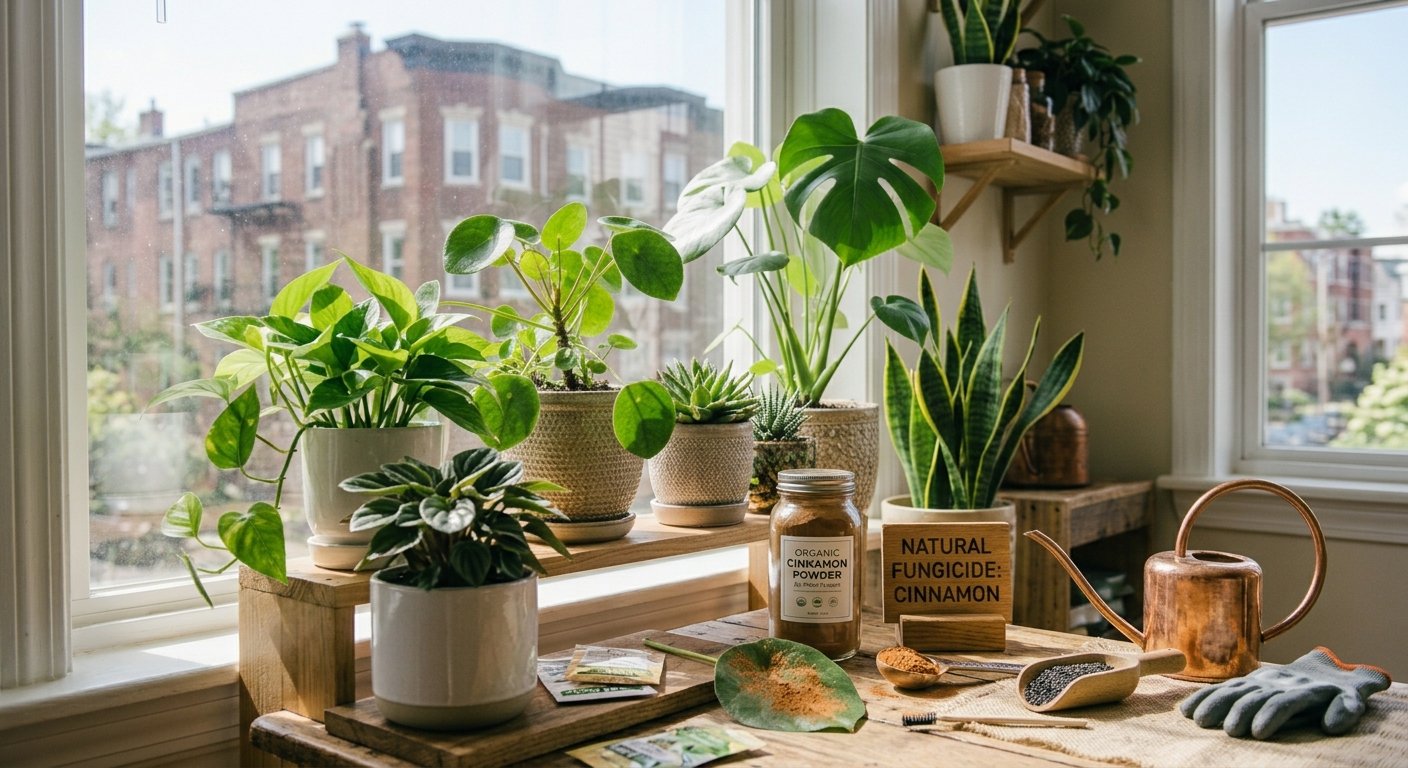
Cinnamon For Plant Fungus: 7 Best Ways To Stop Root Rot
Cinnamon for plant fungus is the ultimate organic remedy every US plant enthusiast needs to stop root rot and protect indoor greenery without harsh synthetic chemicals. Houseplants grown in indoor pots are frequently vulnerable to dampening-off diseases, fungal gnats, and stem mold caused by overwatering and stagnant potting soil.
Mastering how to apply cinnamon for plant fungus allows you to harness natural antimicrobial properties to heal cut stems, prevent soil mold, and cure root decay. Instead of buying expensive commercial fungicides, keeping a jar of ordinary kitchen spice on hand provides a safe, eco-friendly way to defend your indoor garden.
Implementing expert guidelines for cinnamon for plant fungus ensures your indoor botanical collection stays pest-free, vibrant, and remarkably resilient. Let us explore the core science of natural antifungal spice, top application methods, and a foolproof 7-step recovery framework tailored for modern US households.
Table of Contents
- Key Takeaways
- The Science of Natural Antifungal Spice Properties
- Top Uses for Cinnamon in Indoor Gardening
- Step-by-Step Pruning Wound Healing Guide
- Cinnamon Treatment Comparison Matrix
- 7 Best Ways to Use Cinnamon for Plant Fungus Indoors
- Avoiding Soil Clogging and Overuse Risks
- Conclusion
- Frequently Asked Questions
Key Takeaways
- Natural Antifungal Agent: Organic cinnamon powder inhibits spore germination and stops fungal mold growth on damp houseplant soil surfaces.
- Heal Pruning Cuts: Dusting freshly cut stems with cinnamon seals open wounds and prevents pathogens from entering plant tissues.
- Deter Fungus Gnats: Sprinkling spice powder over topsoil discourages gnats from laying eggs in moist potting media.
- Use Pure Ceylon Spice: Ensure you use true organic cinnamon rather than synthetic flavored alternatives for best botanical results.
- Avoid Root Suffocation: Never mix massive clumps of powder directly into deep soil, as thick layers can block water absorption.
The Science of Natural Antifungal Spice Properties
Understanding the mechanics of cinnamon for plant fungus starts with examining its active organic compounds, primarily cinnamaldehyde.
This natural essential oil exhibits potent antimicrobial and mycostatic properties that suppress the growth of destructive soil pathogens.
By disrupting fungal cell walls naturally, cinnamon creates a protective barrier that keeps vulnerable houseplants safe from decay.
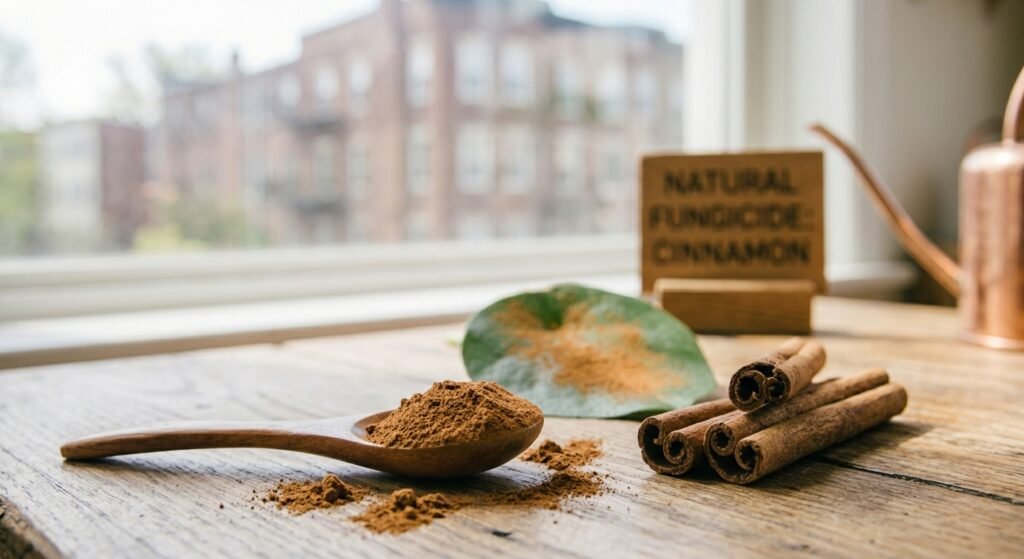
Top Uses for Cinnamon in Indoor Gardening
Applying cinnamon for plant fungus offers multiple structural and defensive advantages for indoor gardeners managing overwatered pots.
It acts as an immediate rooting hormone alternative and natural callus sealant when propagating stem cuttings in water or soil.
It also clears up unsightly white mold on topsoil surfaces caused by high indoor humidity and poor air circulation.
Step-by-Step Pruning Wound Healing Guide
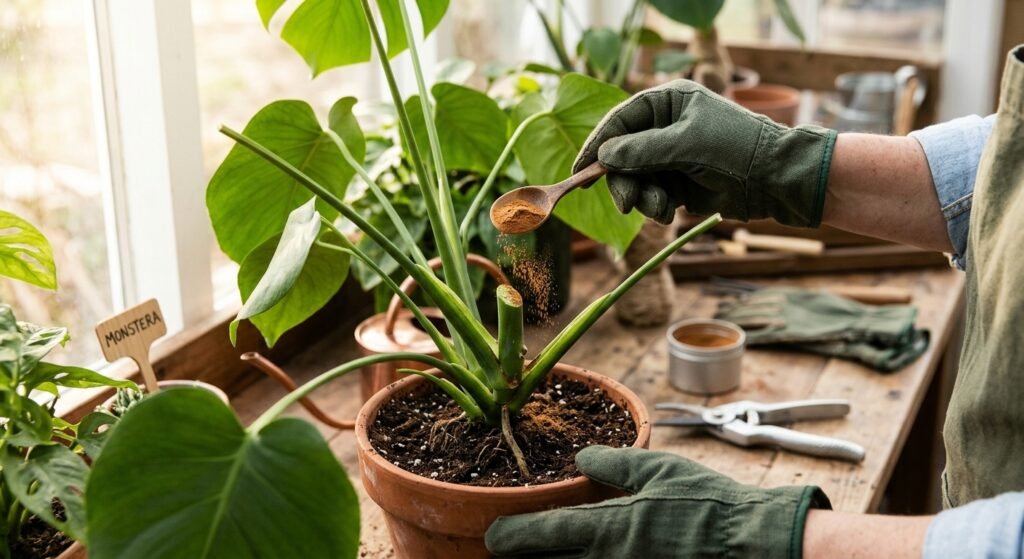
Mastering the application process to use cinnamon for plant fungus during pruning is remarkably straightforward for plant owners.
Snip away decayed stem tissue or harvested propagation cuttings using sterilized shears wiped clean with isopropyl alcohol.
Immediately dust the wet wound surface with pure cinnamon powder using a dry makeup brush or your fingertips to seal the cut.
Cinnamon Treatment Comparison Matrix
The comparison table below outlines application methods, target issues, and effectiveness ratings for using organic cinnamon indoors:
| Application Method | Target Plant Issue | Preparation Technique | Effectiveness | Best Suited For |
| Stem Wound Dusting | Root Rot / Stem Cuttings | Direct Powder Application | Complete (95%) | Propagating Succulents |
| Soil Surface Sprinkle | White Mold / Fungus Gnats | Light Topsoil Dusting | High (85%) | Overwatered Houseplants |
| Cinnamon Tea Spray | Foliage Leaf Spot Fungi | Steep Powder in Warm Water | Moderate (75%) | Tropical Leaf Fungal Spots |
| Root Dip Treatment | Active Root Decay | Dusting Pruned Root Tips | Very High (90%) | Rescuing Stressed Plants |
7 Best Ways to Use Cinnamon for Plant Fungus Indoors
Follow this comprehensive framework to successfully integrate cinnamon for plant fungus into your indoor plant care routine:
               [Identify Mold or Root Rot Symptoms]
                             |
         +-------------------+-------------------+
         |                                       |
[Prune Infected Plant Tissue]            [Dust Fresh Cuts with Cinnamon]
         |                                       |
(Remove black decayed roots/stems)       (Seal wound against fungal spores)
         |                                       |
         v                                       v
Sprinkle light powder on topsoil,        Monitor recovery and adjust watering,
enjoy zero mold growth and healthy roots enjoy thriving natural houseplants
1. Heal Pruned Stem Cuttings
Dust freshly cut propagation stems with cinnamon powder to seal wounds and prevent rotting before planting.
2. Cure Topsoil White Mold Outbreaks
Scratch the surface of moldy potting soil gently and dust a light layer of cinnamon powder to eliminate fungus.
3. Treat Root Rot During Repotting
Wash away old soggy dirt from rotting roots, trim dead tissue, and dust surviving roots with powder before repotting.
4. Deter Fungus Gnat Populations
Sprinkle dry cinnamon across the topsoil layer to disrupt breeding cycles and discourage adult gnats from laying eggs.
5. Brew Antifungal Cinnamon Leaf Tea
Steep two tablespoons of cinnamon powder in warm water overnight, strain, and mist leaf spot fungi on tropical plants.
6. Protect Seedlings From Dampening-Off
Dust new germinating seeds lightly with powder to shield delicate infant root systems from soil fungi.
7. Avoid Over-Applying Thick Layers
Use fine, even dustings rather than heavy clumps to ensure air and water can still penetrate potting soil freely.
Avoiding Soil Clogging and Overuse Risks
Successfully utilizing cinnamon for plant fungus requires moderation to prevent accidental soil sealing and moisture blockage.
Never dump heavy mounds of powder into deep potting soil layers, as thick spice cakes can form water-repellent crusts.
Always apply light, breathable dustings across surfaces and focus primarily on wound healing and mold prevention.
Conclusion
Mastering how to use cinnamon for plant fungus empowers you to treat root rot, heal pruning wounds, and eliminate surface mold using simple kitchen ingredients. By harnessing natural antimicrobial properties, you can protect your indoor botanical collection without toxic chemicals.
Review your plant care routine today, apply these 7 best ways, and enjoy your flourishing pest-free indoor garden!
Frequently Asked Questions
Can cinnamon cure advanced root rot in indoor houseplants?
Cinnamon helps heal pruned cuts and prevent fungal spread, but advanced root rot also requires cutting away dead roots and repotting in fresh gritty soil.
Will cinnamon powder harm my houseplant leaves or roots?
No, pure organic cinnamon powder is completely safe for plant tissues when applied as a light dusting on wounds or topsoil.
Does cinnamon get rid of fungus gnats permanently?
Cinnamon discourages fungus gnats from laying eggs in topsoil, but complete eradication also requires letting soil dry out between waterings.

One Comment