Terracotta vs Plastic Pots: 7 Best Sustainable Choices
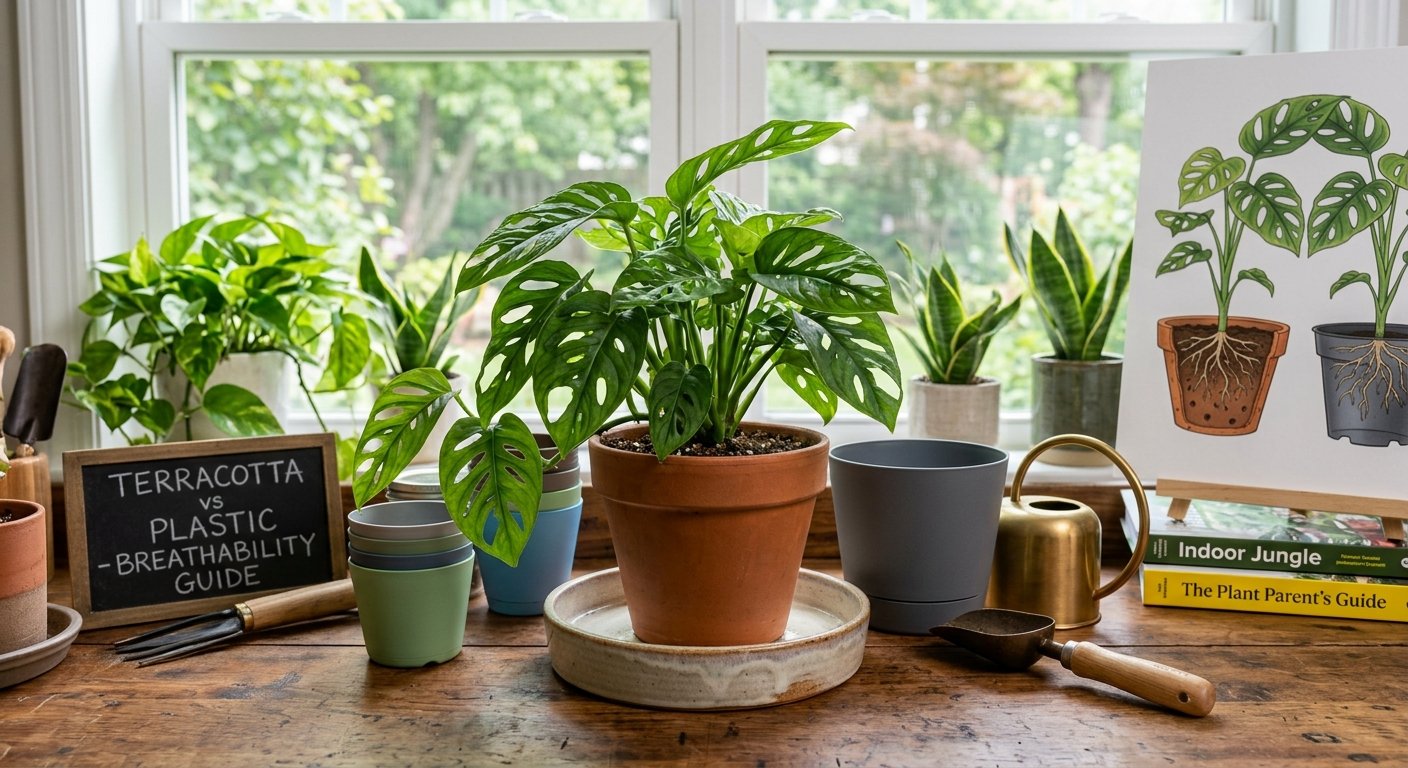
Terracotta vs plastic pots is the ultimate comparison every US plant enthusiast must evaluate when deciding which containers best support healthy indoor greenery. Choosing the right planter material directly impacts soil moisture retention, root aeration, temperature regulation, and long-term environmental sustainability.
Mastering the debate of terracotta vs plastic pots allows you to select durable, eco-friendly containers tailored to your specific plant varieties and indoor room conditions. While porous clay pots breathe naturally and prevent overwatering, lightweight plastic planters lock in hydration for moisture-loving tropical specimens.
Implementing expert guidelines on terracotta vs plastic pots ensures your indoor botanical collection stays vibrant, pest-free, and remarkably healthy. Let us explore the core science of material porosity, watering frequency, and a foolproof 7-step container selection framework tailored for modern US households.
Table of Contents
- Key Takeaways
- The Science of Porosity and Root Breathability
- Comparing Weight, Durability, and Aesthetics
- Moisture Retention and Watering Adjustments
- Terracotta vs Plastic Pots Comparison Matrix
- 7 Best Sustainable Considerations for Terracotta vs Plastic Pots
- Environmental Impact and Recycling Options
- Conclusion
- Frequently Asked Questions
Key Takeaways
- Porosity Differences: Terracotta clay is porous, allowing air and moisture to evaporate through container walls; plastic is non-porous and seals moisture in.
- Watering Frequency: Plants in clay containers dry out much faster and require more frequent watering than plants in plastic vessels.
- Weight and Stability: Heavy clay pots anchor large, top-heavy plants securely, whereas lightweight plastic pots can tip over easily.
- Root Rot Prevention: Porous terracotta significantly reduces the risk of overwatering root rot for desert cacti and succulents.
- Environmental Lifecycle: Traditional clay breaks down naturally, while high-grade recycled plastics offer decades of reusable indoor durability.
The Science of Porosity and Root Breathability
Analyzing terracotta vs plastic pots starts with examining how material porosity influences oxygen exchange around underground root networks.
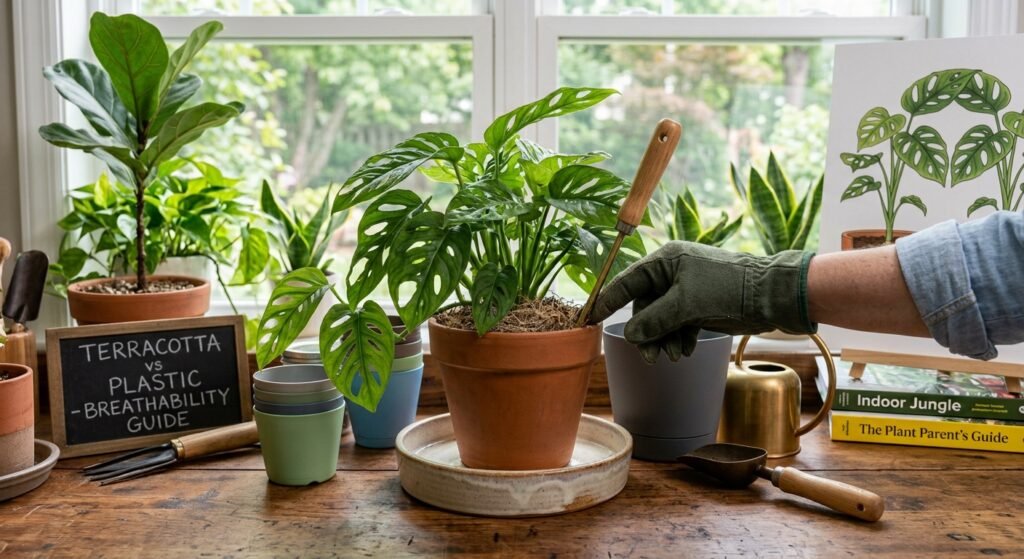
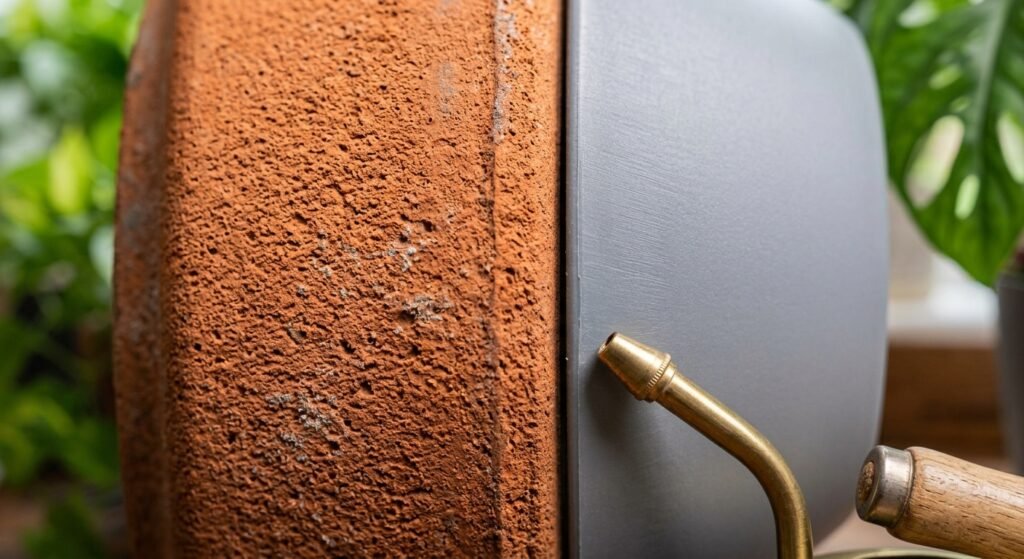
Unglazed terracotta features microscopic pores that allow air to circulate freely through the root zone, promoting healthy aerobic respiration.
Non-porous plastic containers trap water and air inside, maintaining high humidity levels in the soil for extended periods.
Comparing Weight, Durability, and Aesthetics
Evaluating terracotta vs plastic pots also involves weighing practical factors like physical container weight, durability, and interior design appeal.
Terracotta pots are heavy and sturdy, making them ideal for anchoring tall, mature houseplants like jade trees or large monsteras.
Plastic pots are featherlight and shatterproof, offering incredible convenience when rearranging indoor plant shelves or hanging baskets.
Moisture Retention and Watering Adjustments
Understanding hydration cycles in terracotta vs plastic pots helps prevent accidental overwatering or dehydration in your indoor garden.
Because clay walls wick moisture away from the soil, plants in terracotta require more frequent watering schedules during warm summer months.
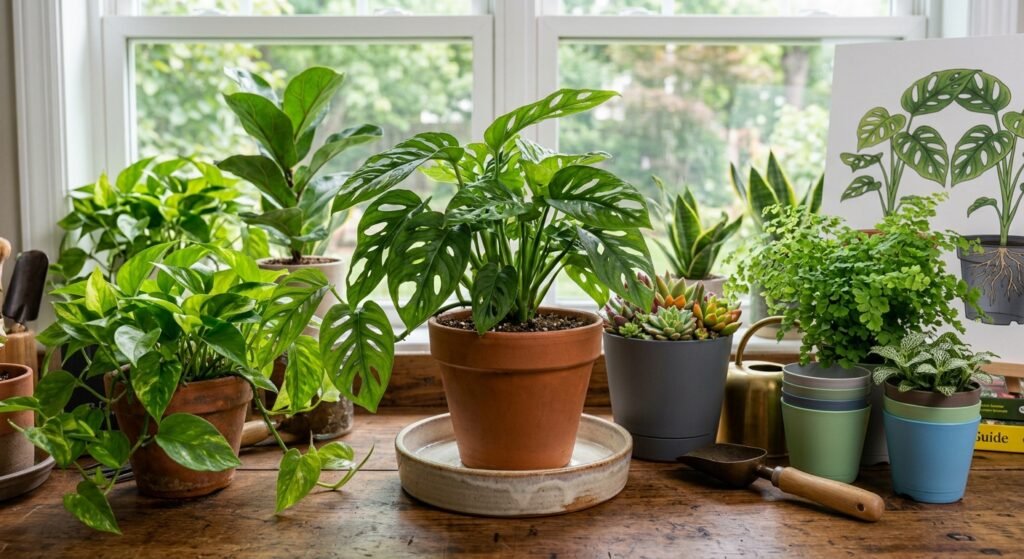
Plastic planters retain water twice as long, making them fantastic for ferns and peace lilies that detest drying out completely.
Terracotta vs Plastic Pots Comparison Matrix
The comparison table below outlines key material properties, watering needs, and ideal plant matches for container gardeners:
| Container Material | Porosity Level | Weight & Stability | Watering Frequency | Best Suited Plant Type |
| Terracotta Clay | High (Porous) | Heavy / Sturdy | Frequent (Every 7-10 Days) | Cacti, Succulents, Herbs |
| Standard Plastic | Zero (Non-Porous) | Light / Portable | Extended (Every 14-21 Days) | Ferns, Monsteras, Pothos |
| Glazed Ceramic | Low (Sealed) | Moderate / Sturdy | Moderate (Every 10-14 Days) | Tropical Houseplants |
| Recycled Composite | Low to Moderate | Lightweight | Balanced (Every 12-18 Days) | General Indoor Foliage |
7 Best Sustainable Considerations for Terracotta vs Plastic Pots
Follow this comprehensive framework when evaluating terracotta vs plastic pots for your home indoor garden setup:
               [Assess Indoor Plant Species Needs]
                             |
         +-------------------+-------------------+
         |                                       |
[Choose Terracotta for Desert Plants]    [Choose Plastic for Tropical Ferns]
         |                                       |
(Ensure rapid root zone evaporation)     (Maintain steady moisture retention)
         |                                       |
         v                                       v
Monitor soil drying rates weekly,        Recycle old containers responsibly,
enjoy healthy roots and zero root rot     enjoy a sustainable indoor garden
1. Match Container to Plant Biology
Select terracotta for arid desert cacti and succulents, reserving plastic pots for moisture-loving tropical foliage.
2. Evaluate Indoor Room Humidity
Use plastic containers in dry heated winter rooms to slow down rapid soil evaporation and prevent dehydration.
3. Consider Physical Pot Weight
Utilize heavy clay vessels for tall, top-heavy plants to prevent tipping over on busy tabletops or shelves.
4. Inspect Drainage Apertures
Always verify that both clay and plastic containers feature open bottom drainage holes to prevent standing water.
5. Prioritize Recycled Plastics
When buying plastic planters, choose high-grade, UV-resistant pots crafted from 100% recycled consumer plastics.
6. Prevent Salt Crust Buildup on Clay
Scrub mineral salt deposits off terracotta rims periodically using warm water and white vinegar.
7. Reuse Containers Across Seasons
Sterilize and reuse both durable plastic and terracotta pots for years to minimize household waste.
Environmental Impact and Recycling Options
When researching terracotta vs plastic pots, considering the environmental footprint of each material is crucial for eco-conscious gardeners.
Terracotta is made from natural mined clay fired in kilns; it is completely biodegradable and breaks down harmlessly into earth.
While virgin plastics pose ecological challenges, utilizing durable, multi-year recycled plastic planters significantly reduces single-use waste.
Conclusion
Mastering the dynamics of terracotta vs plastic pots empowers you to choose sustainable, high-performance containers that keep your indoor houseplants thriving. By aligning pot porosity with plant watering habits, you can eliminate root rot and achieve exceptional botanical growth.
Review your plant collection today, apply these 7 sustainable selection considerations, and enjoy your flourishing indoor garden!
Frequently Asked Questions
Are terracotta pots better than plastic pots for indoor plants?
Terracotta is better for plants that need fast-drying soil like succulents, while plastic is superior for plants that prefer consistent moisture like ferns.
Do plastic pots cause root rot more easily than terracotta?
Plastic pots hold moisture longer, which can lead to root rot if you overwater or use dense soil without proper drainage holes.
Can I place a plastic nursery pot inside a terracotta outer pot?
Yes, placing a plastic nursery pot inside a terracotta cachepot combines the moisture retention of plastic with the classic aesthetic of clay.



One Comment